
Pet Coke Calciner
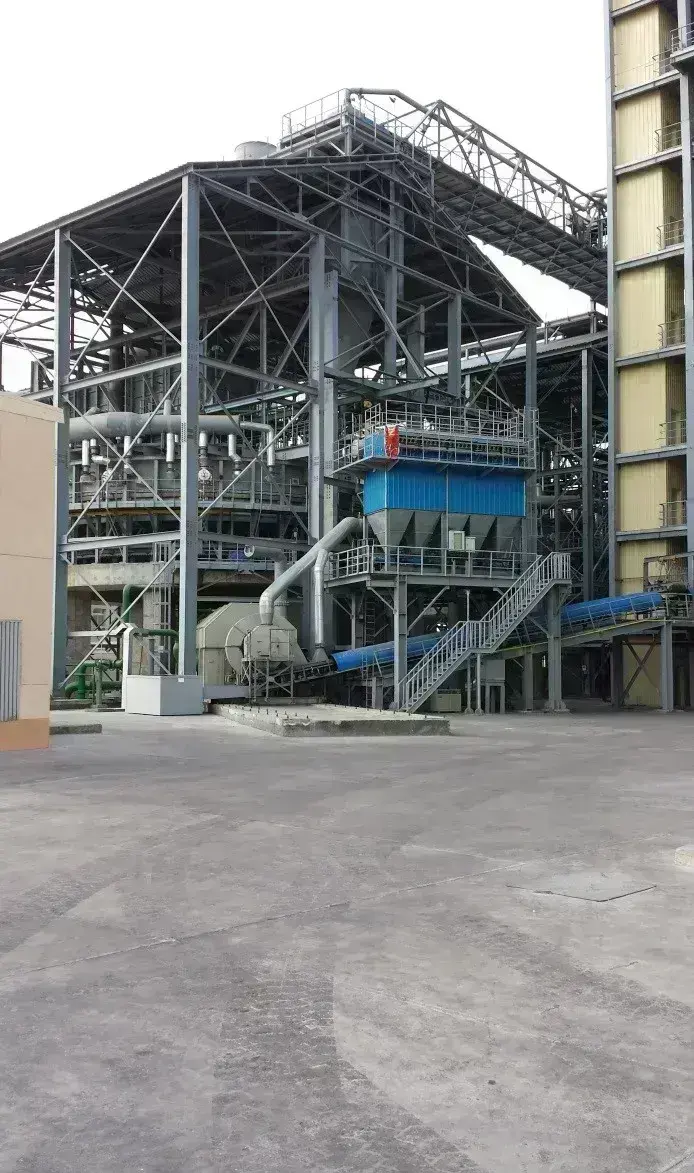
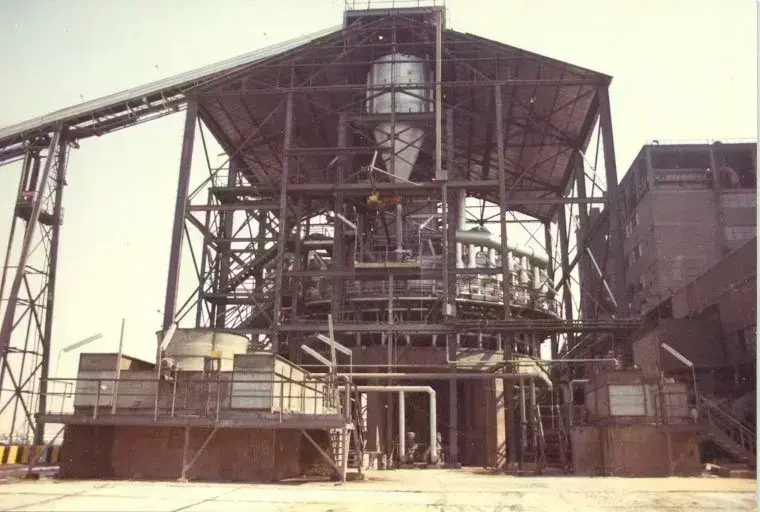
Tenova’s rotary hearth petroleum coke calciners can process both anode grades and needle cokes. The rotary hearth calciner uses the volatiles from the coke to combust and produce heat for the processing of the coke. In many cases, not external heat or fuel is required during operation. Also, due to the gentle rabbling action of the unit, there is a high fixed carbon recovery, unlike rotary kiln calciners.
Overview
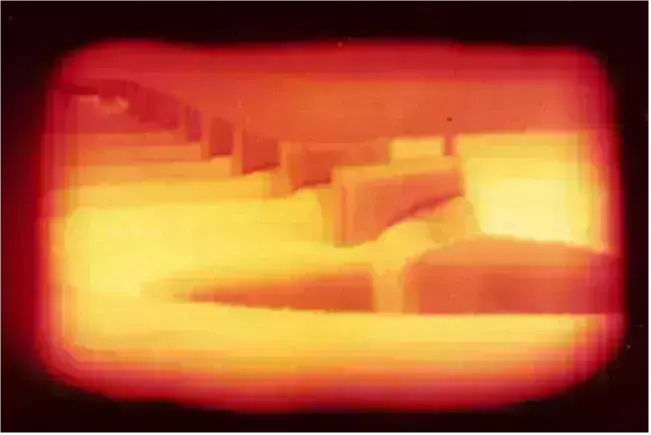
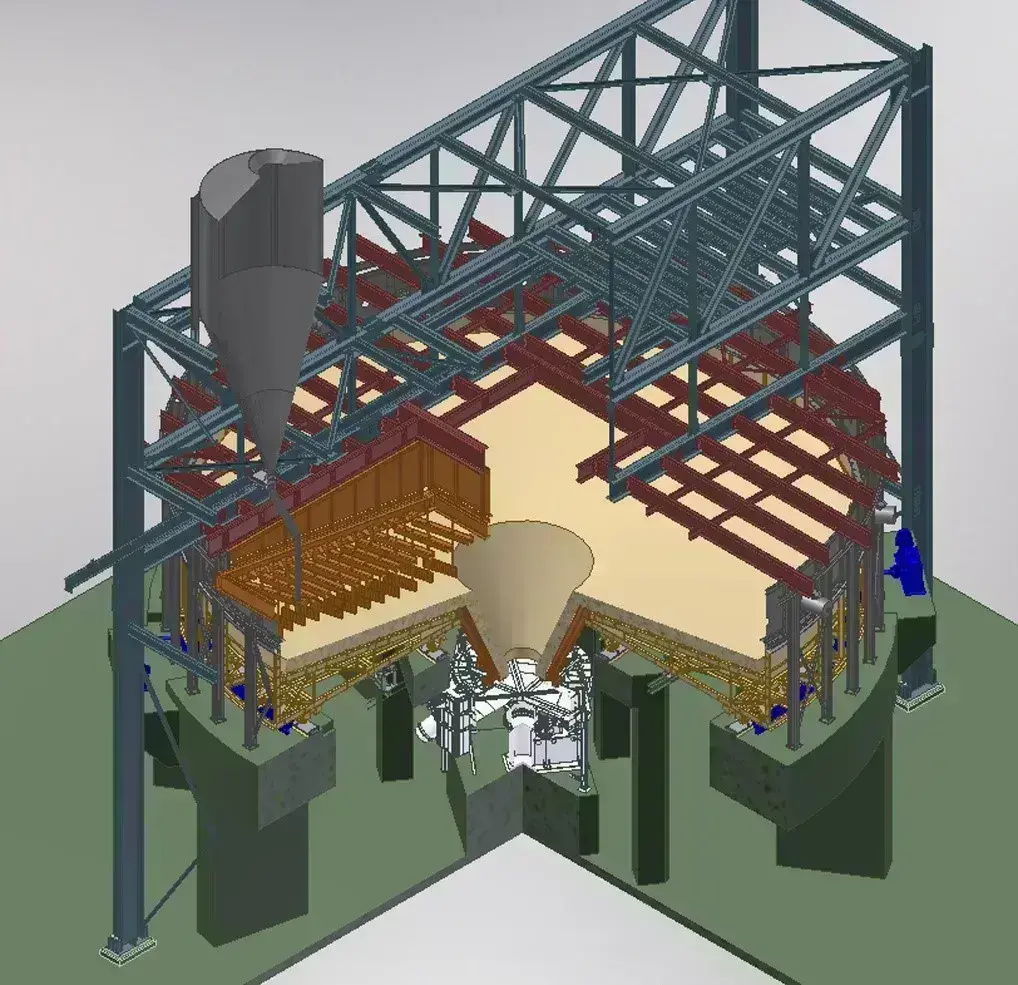
The rotary hearth calciner uses either a flat or slightly sloped hearth.
A series of rabbles located near the feed point, gently plow the coke from furrow to furrow inwardly, making a spiral pattern on the hearth until it reaches the central soaking pit.
In the soaking pit the hot coke equalizes in temperature before being discharge from the bottom by a rotating discharge table with a plow.
Technical Data
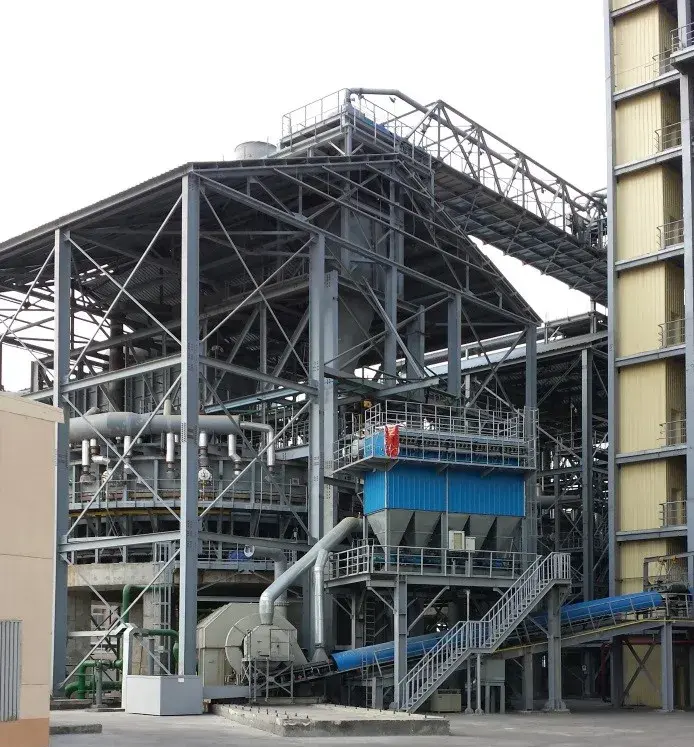
Rotary Hearth Calciners sized from 3 meters to 24 meters diameter
Production rates from 2 tons/h to 50 tons/h
High fixed carbon recovery
Low energy consumption, often no fuel required during production
Low refractory maintenance
More consistent produce quality
High turndown from 100% to 33%
Safety
Personnel safety is of the utmost importance in the design of the rotary hearth calciner.
Automation

The calcining process is controlled by a PLC system that adjusts process parameters to maintain a consistent product quality and steady throughput.
Environment

An afterburner section combusts residual hydrocarbons not needed in the main heating chamber.
The afterburner will also combust any carbon dust carried in the waste gases.
Low NOx generation due to sub-stoichiometric combustion in the main heating chamber.

Americas & Rest of the World

Bill Barraclough
Vice President Furnace Tehnology, Tenova Inc.
China

Zhao Zhenyong
Sales Manager Furnaces for Hot Rolling Mills and Forging Shops, Tenova Technologies (Tianjin)