
Furnace Copper Coolers
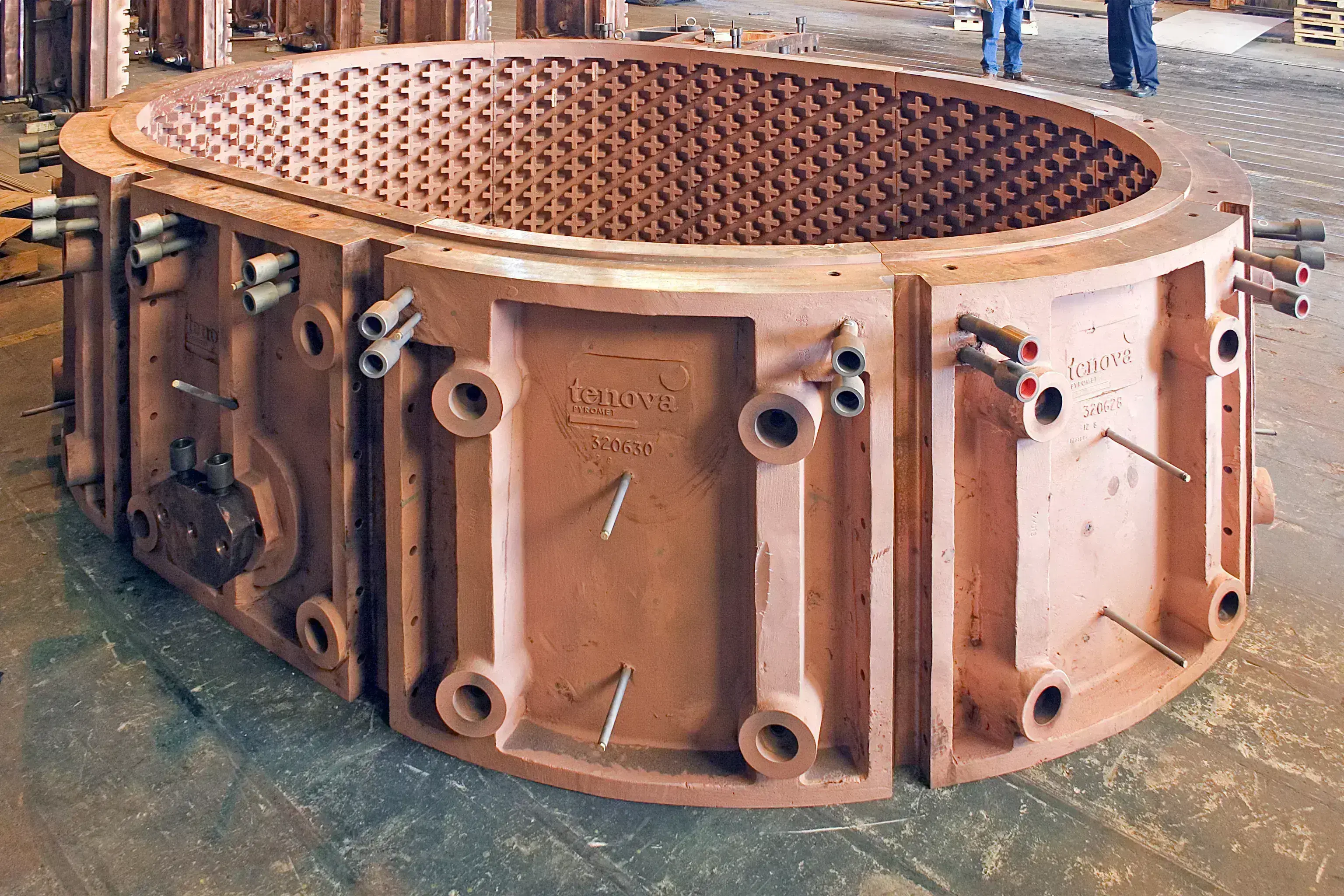
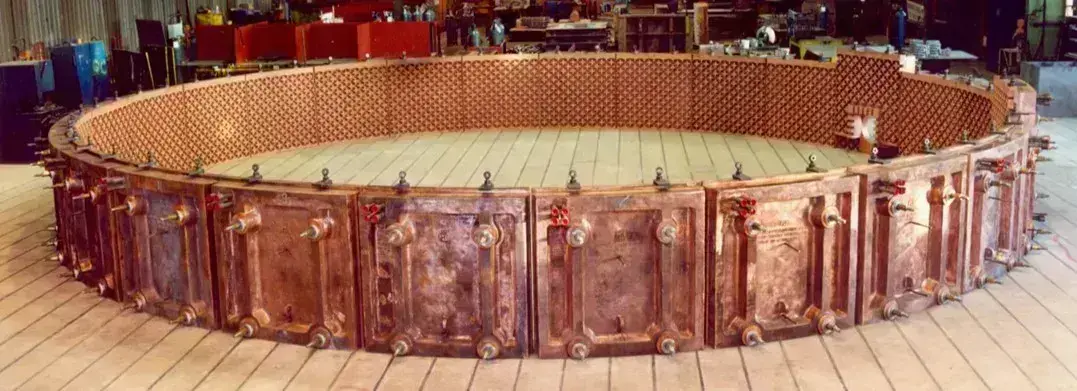
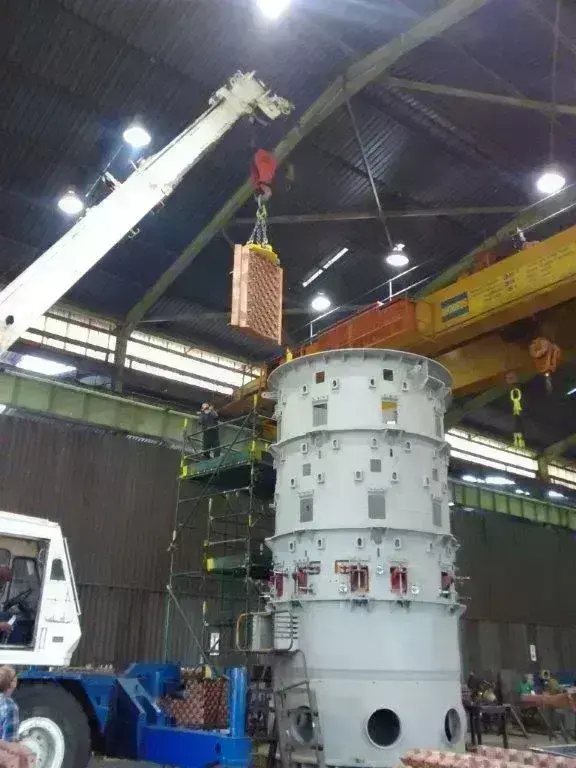
Tenova Pyromet’s high-intensity MAXICOOL® copper coolers, its innovative SAFECOOL® copper cooling system, and its novel composite copper-graphite coolers are proven to safely contain the molten furnace bath and prolong furnace campaign life. Our designs are tailored to the process requirements of each application, ensuring the maximum benefit to our clients.
Overview
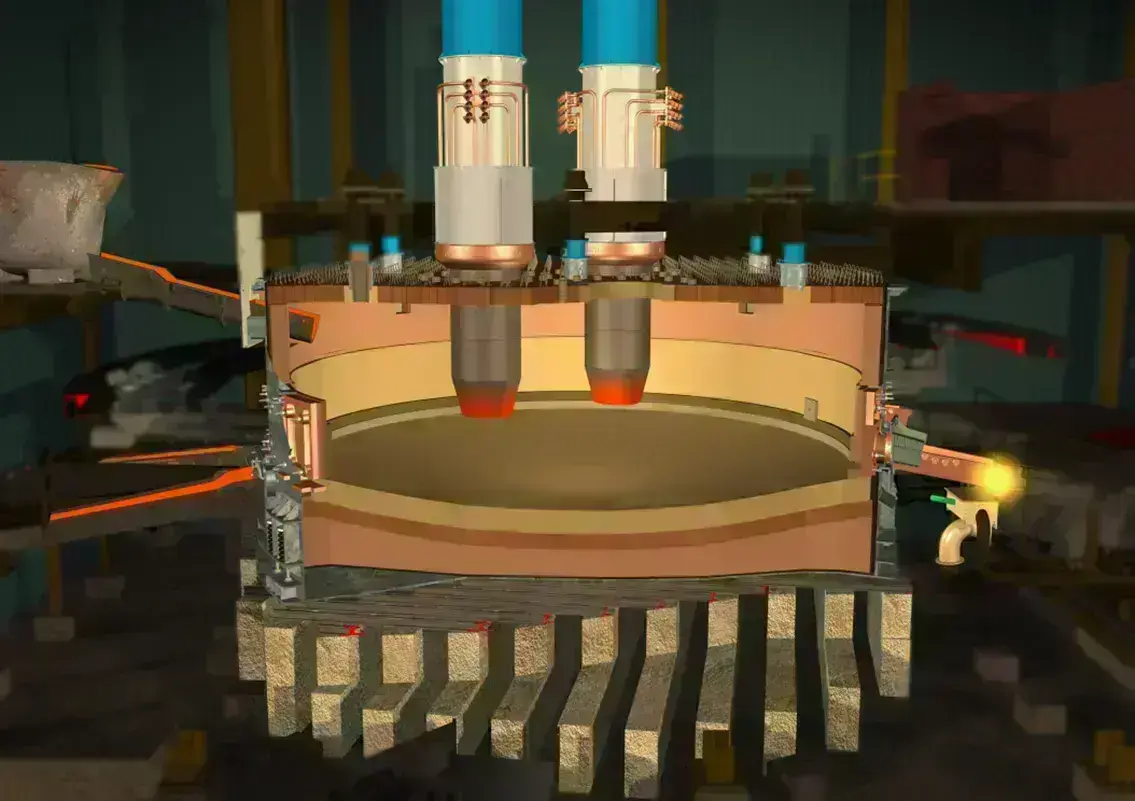
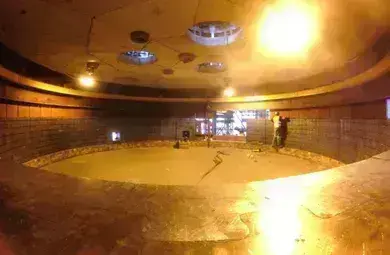
By cooling the furnace sidewalls, the refractory life can be extended due to operating at a lower temperature, or, even better, a stable slag freeze lining can be formed on the sidewall hot face, acting like a natural, self-maintaining refractory crucible containing the slag bath.
Freeze lining formation occurs when the hot face of the furnace lining is cooled to a temperature below the freezing temperature of the liquid slag inside the furnace.
Once a freeze lining or accretion layer is established, the heat flux or loss through the furnace sidewall is a function of the process and not a function of the lining/cooling system design. The primary process parameters that determine the heat losses are the slag superheat, the slag viscosity, and the slag thermal conductivity.
Technical Data
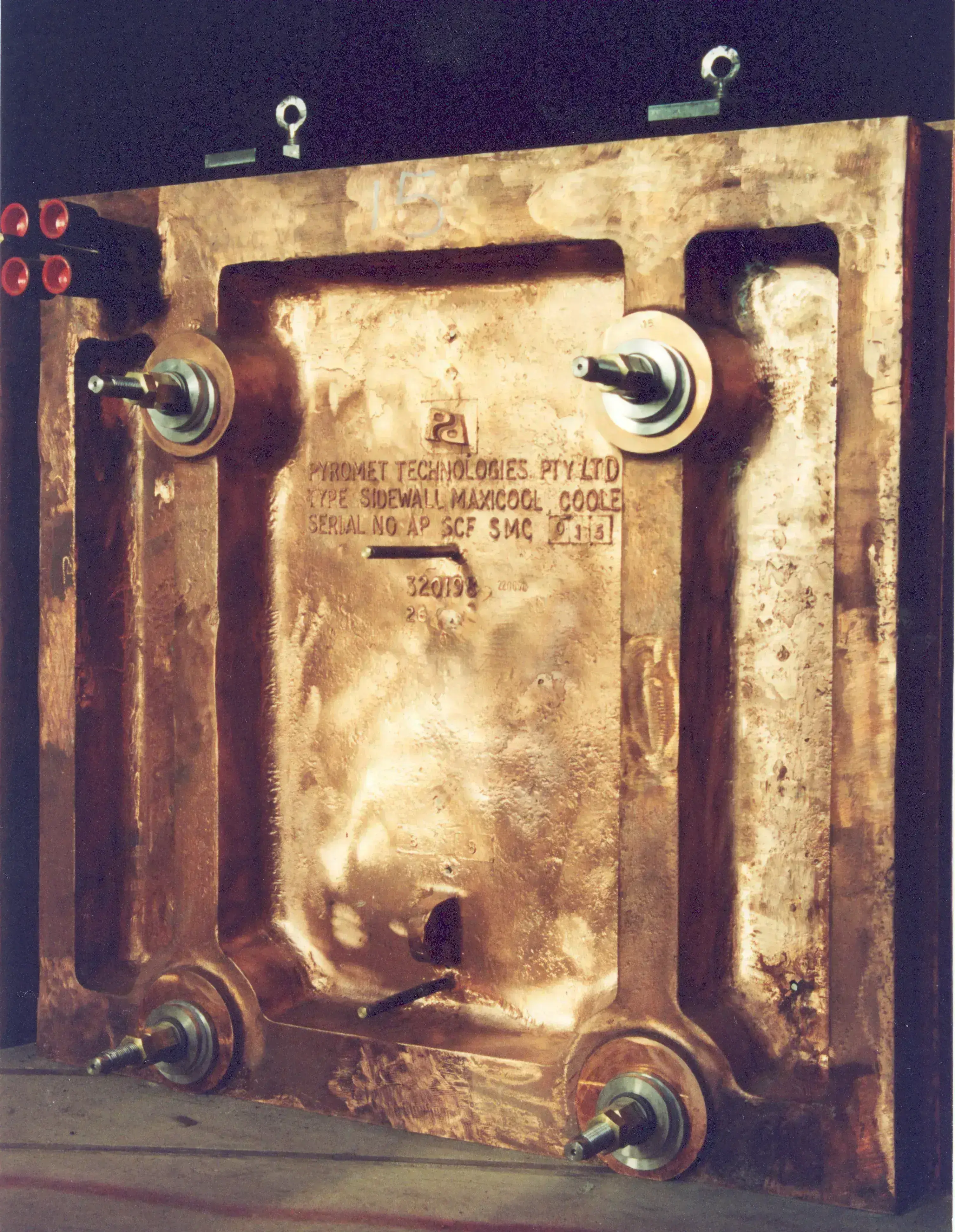
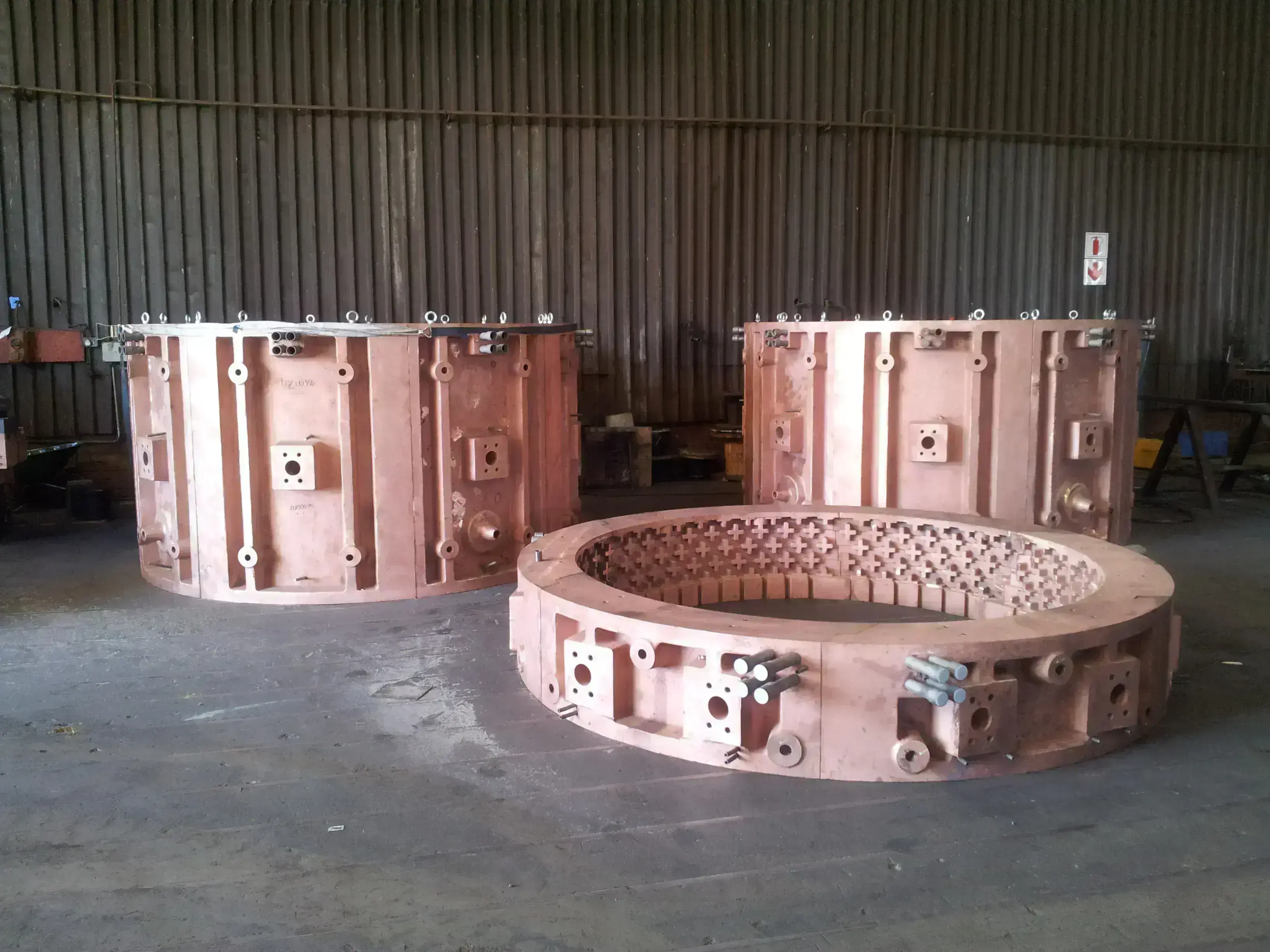
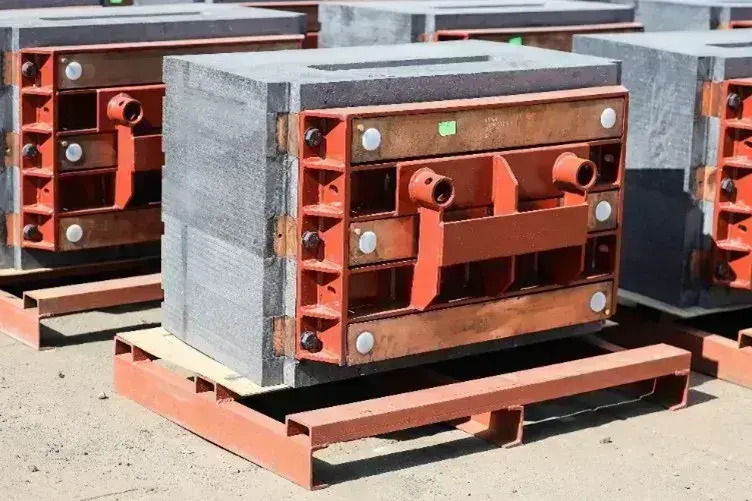
The MAXICOOL® copper coolers can safely and continuously operate at heat fluxes as high as 500 kW/m2. It has been successfully implemented in Ni and Cu slag cleaning furnaces, platinum group metals smelting furnaces, autocatalyst recycling furnaces, and top submerged lance furnaces. Refer to the key references section as well as our library of papers.
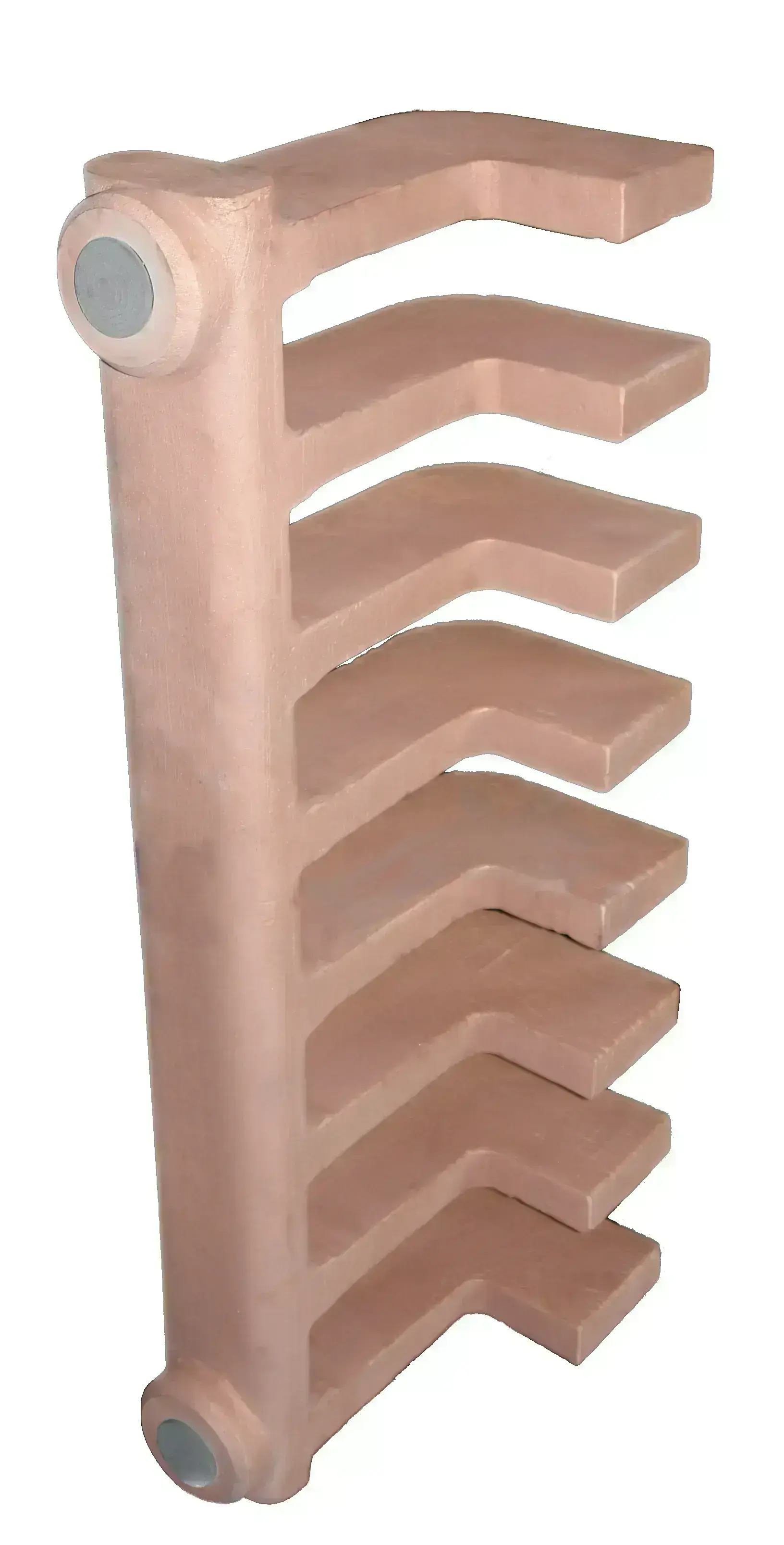
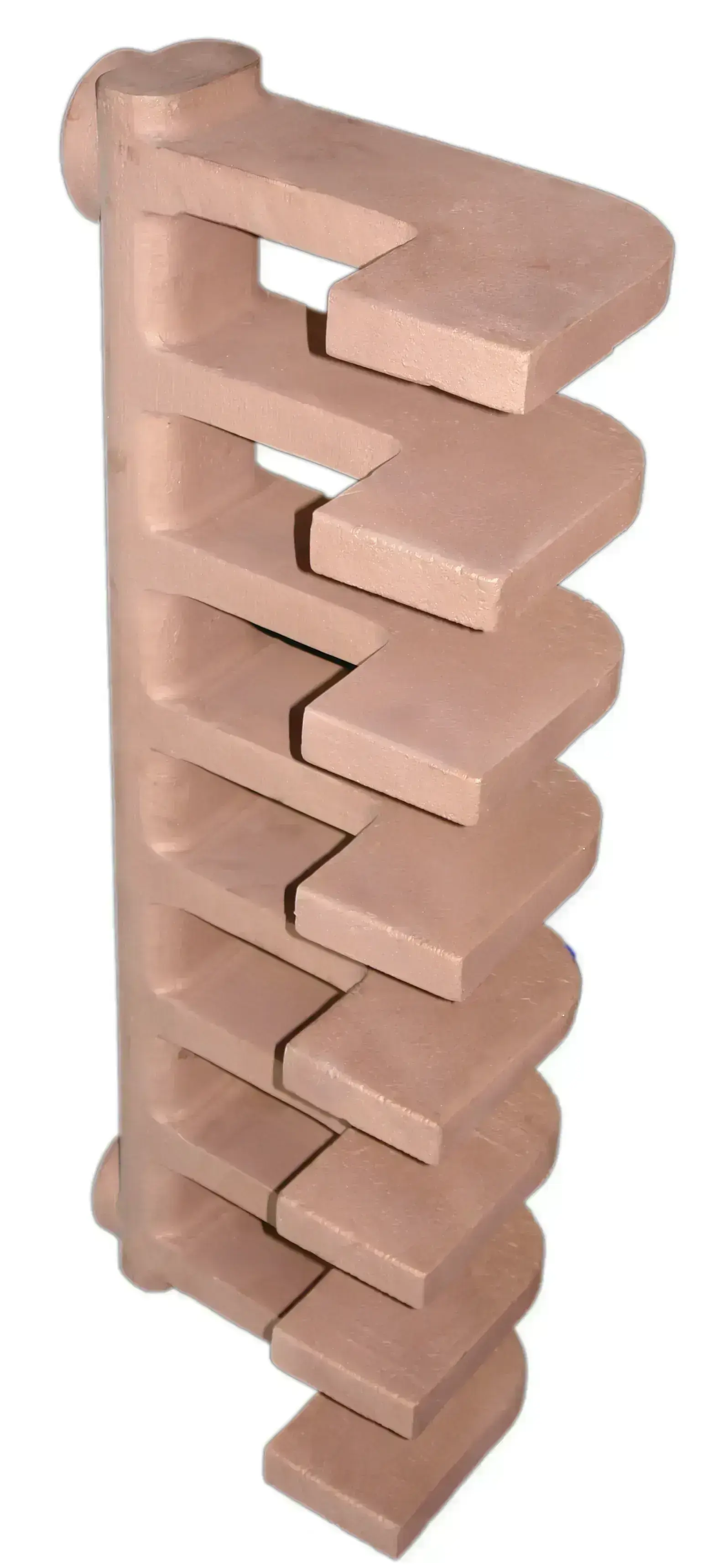
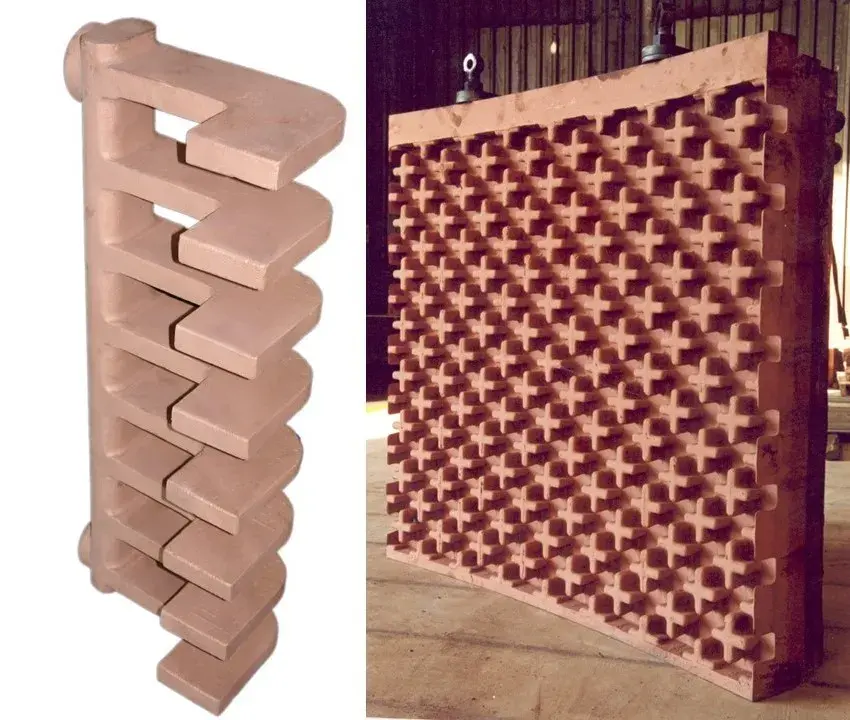
The SAFECOOL® or copper plate cooler cooling systems are employed in situations where the hot face heat flux is limited to below 150 kW/m2, and where it is important to keep the cooling water channels external to the furnace shell. These copper elements are normally embedded in the sidewall refractory lining. A novel design combining copper and graphite has been developed for applications where liable sulphur can lead to corrosion of the copper elements.
Innovation
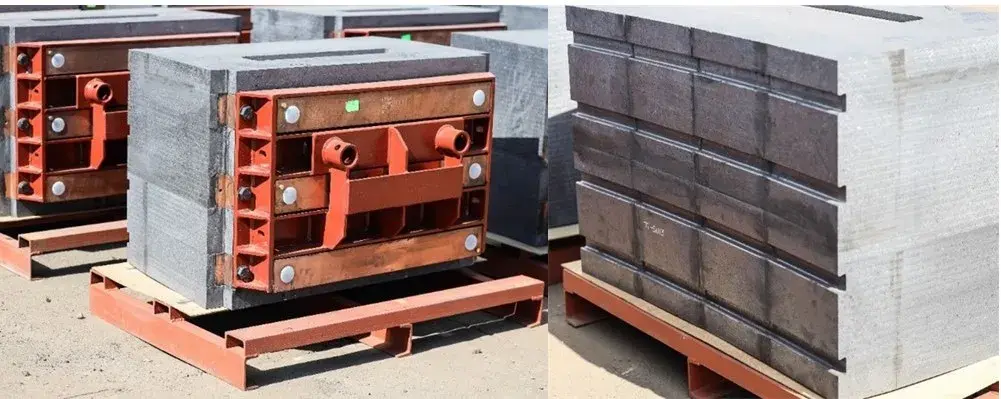
Furnace lining and campaign life is not a function of the normal operating conditions, but of extreme operating and processing conditions.
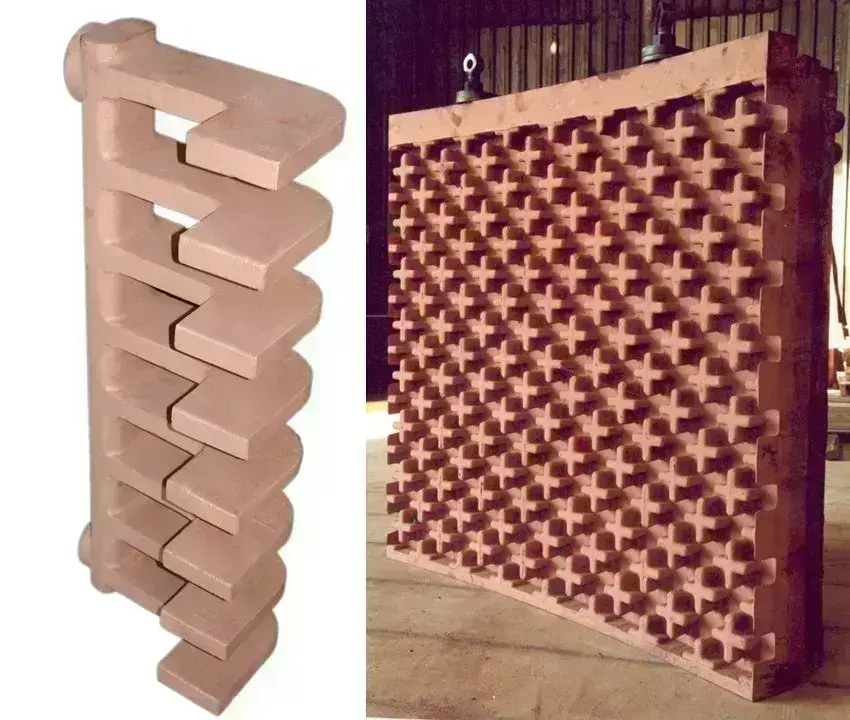
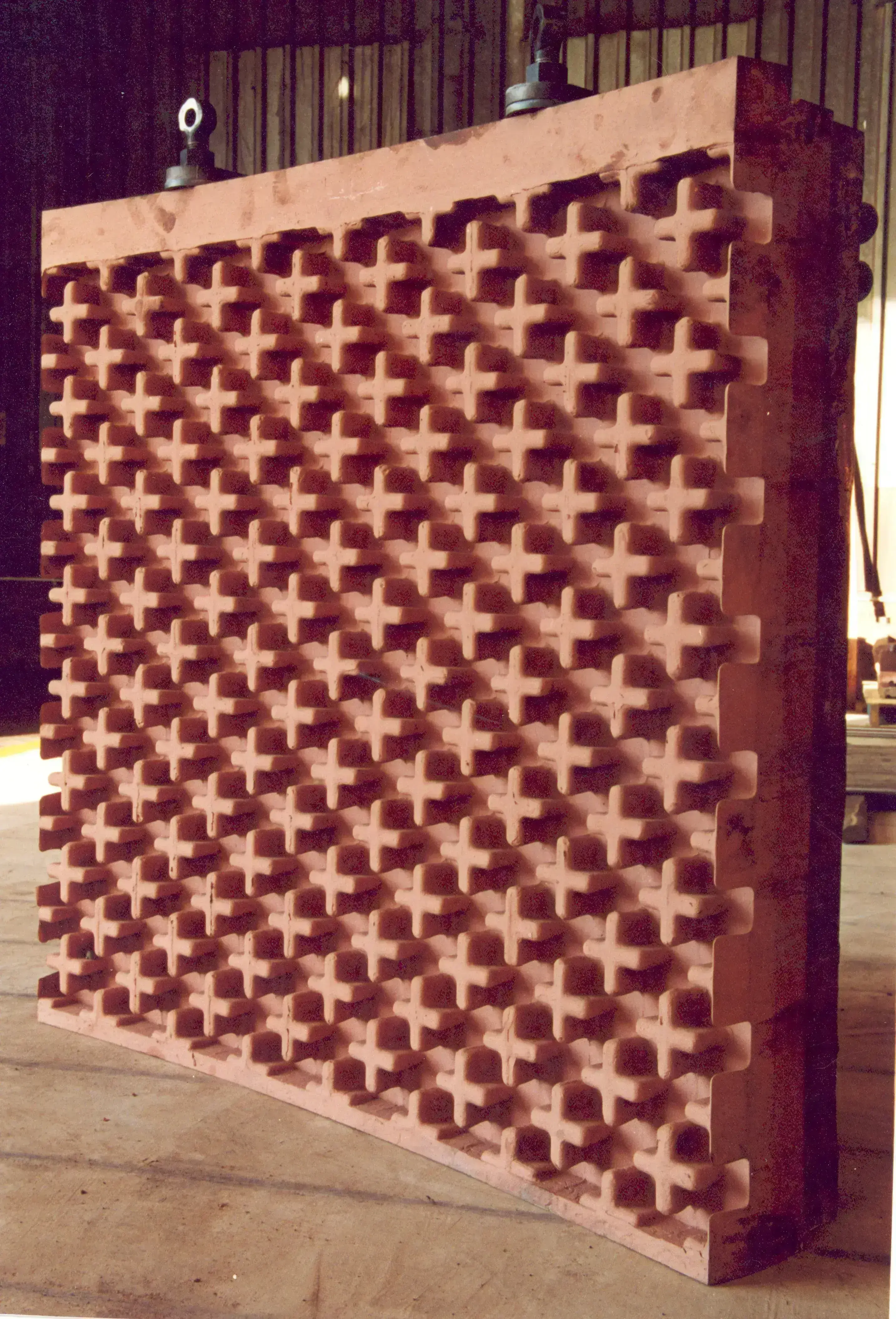
Tenova Pyromet's high intensity MAXICOOL® copper cooler panels help to form and maintain a competent slag freeze lining and prevent wear from taking place, under both normal and extreme operating conditions. The coolers are designed with a unique tapered star pattern on the hot face of the coolers to provide support for an initial castable refractory layer, and later for the slag freeze lining.
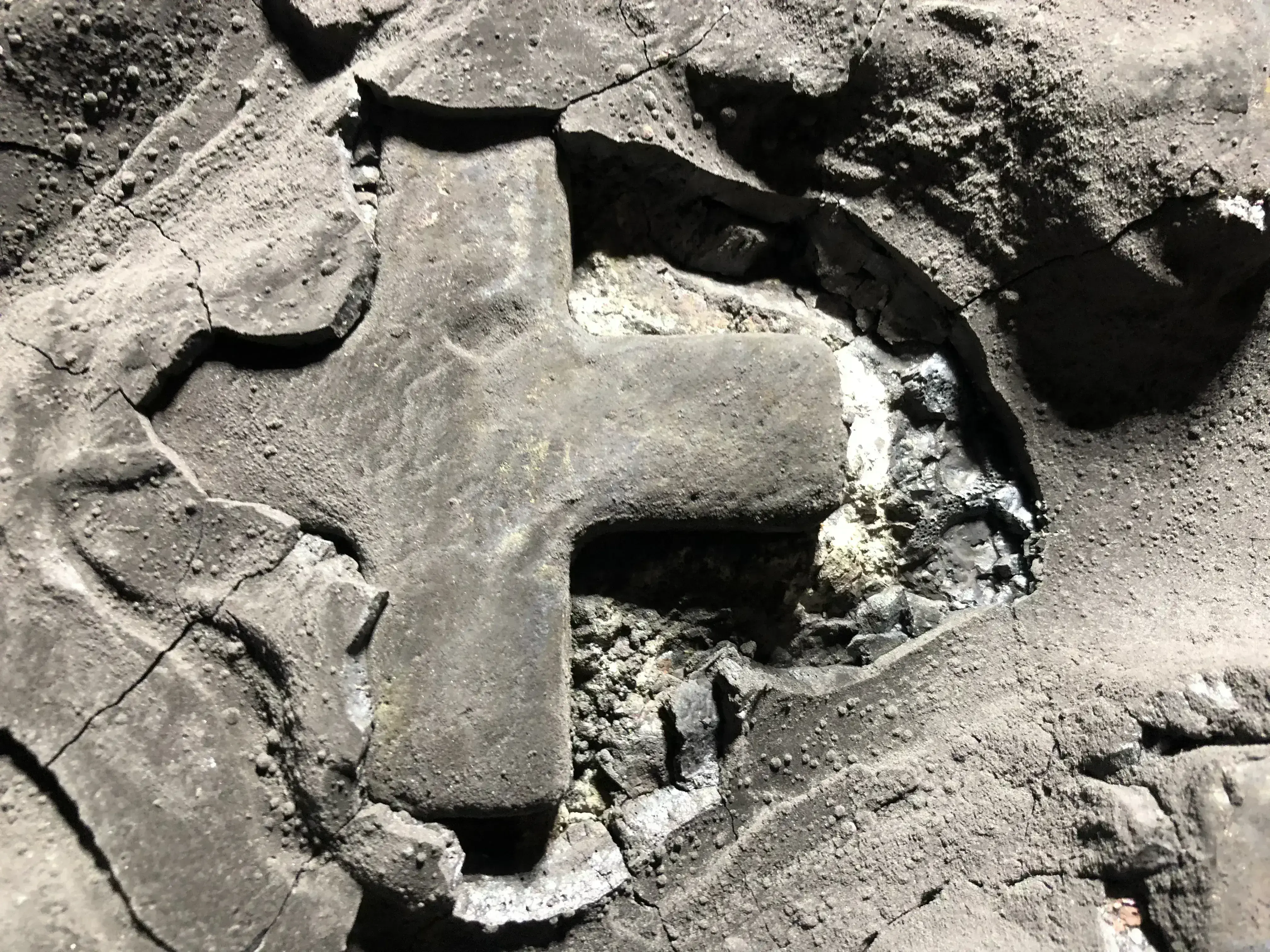
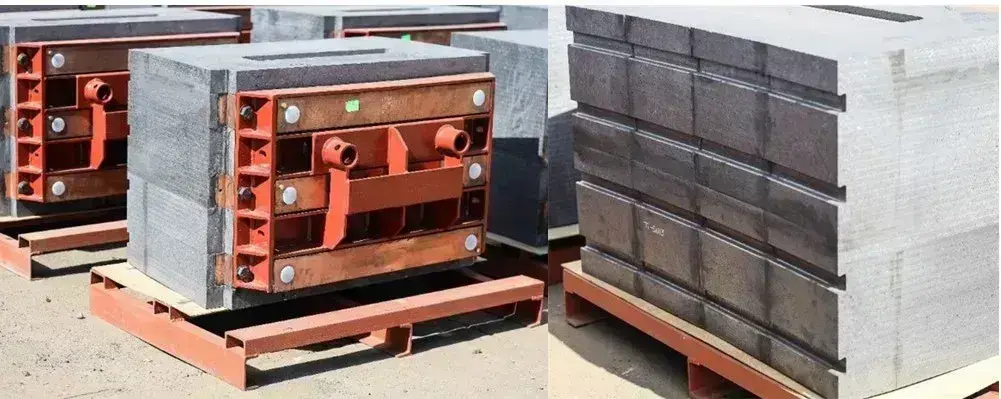
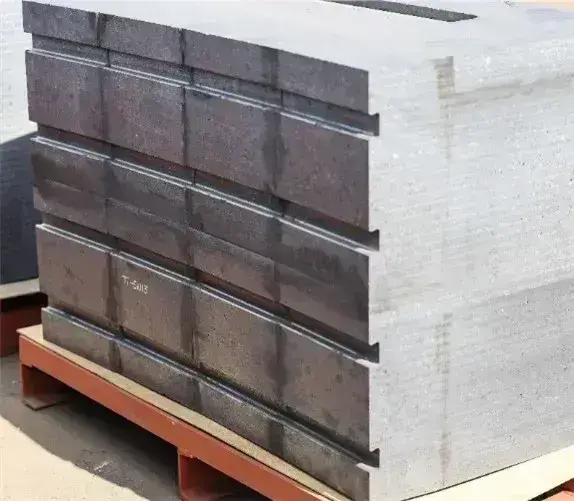
Tenova’s COMPOSITE COPPER-GRAPHITE coolers for platinum group metal (PGM) furnace sidewalls offer a unique solution to the corrosion challenges experienced on the copper cooling elements in these furnaces. The cooler design is novel as all surfaces of the cooler are completely covered with graphite, preventing contact between the copper cooler and the sulphur- and chlorine-bearing species responsible for the corrosion.
Features & Benefits
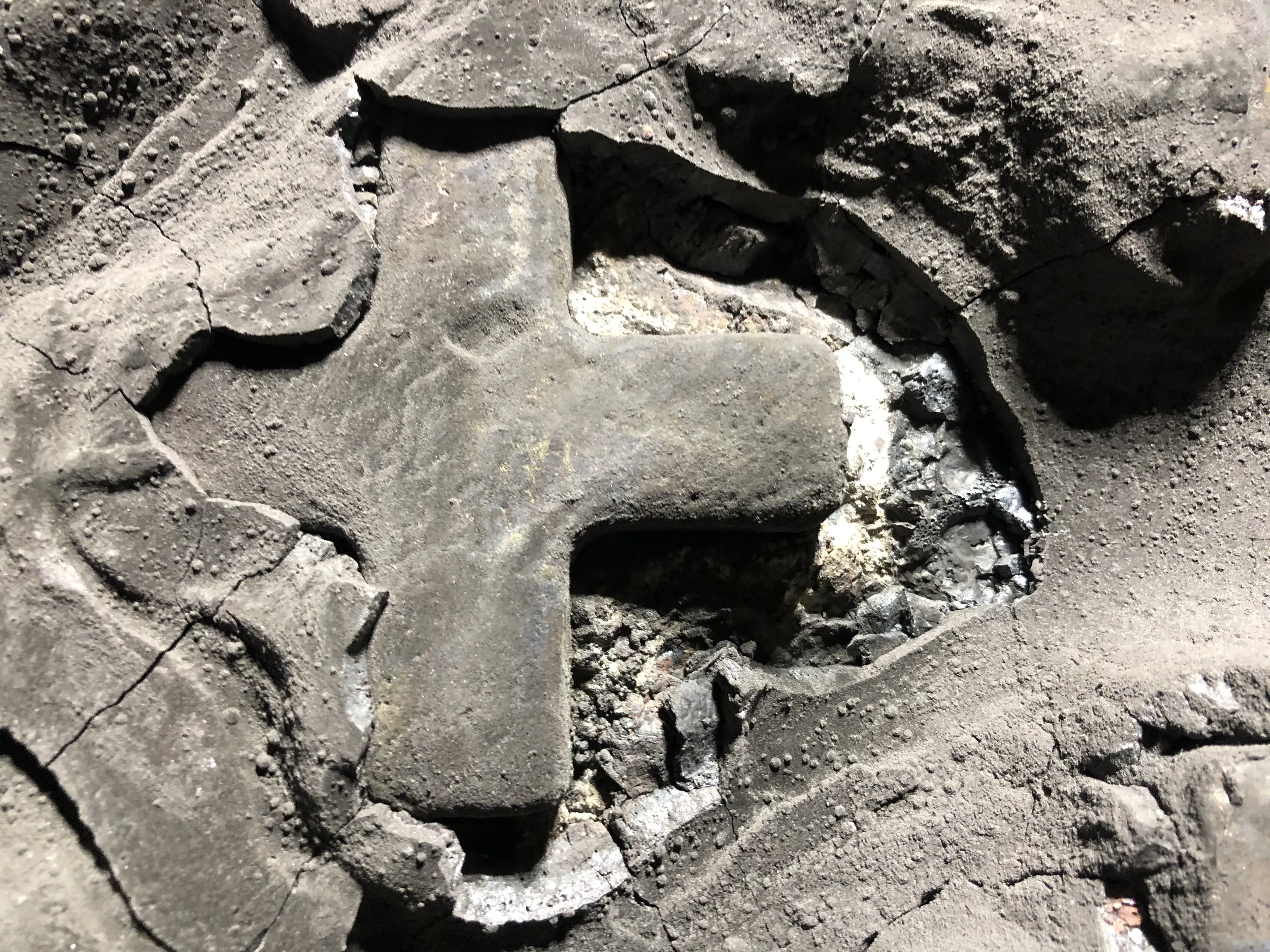
The main benefits of sidewall copper cooling include:
- Forming and maintaining a stable slag freeze lining, extending the furnace lining campaign life.
- Higher furnace power intensity is possible, increasing furnace energy efficiency and throughput.
- Freedom to optimize the process chemistry and operating parameters to maximize throughput and recoveries with lining life considerations being less of a constraint.
- Longer furnace campaigns will help to improve availability, lower overall capital expenditure, and reduce long-term operating costs.
Safety
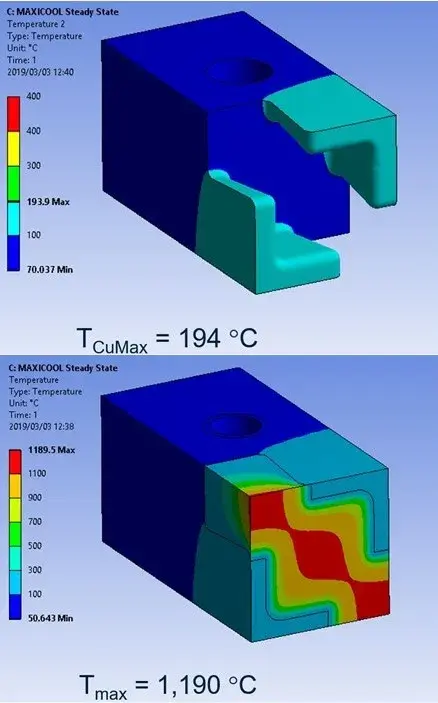
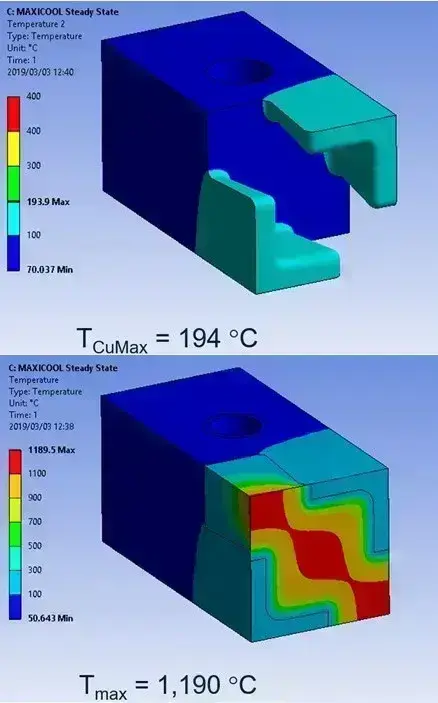
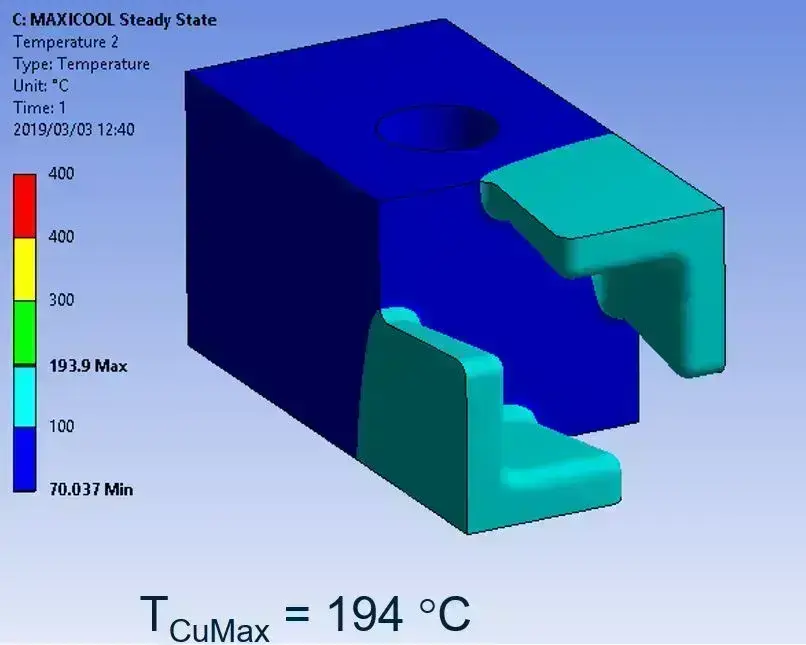
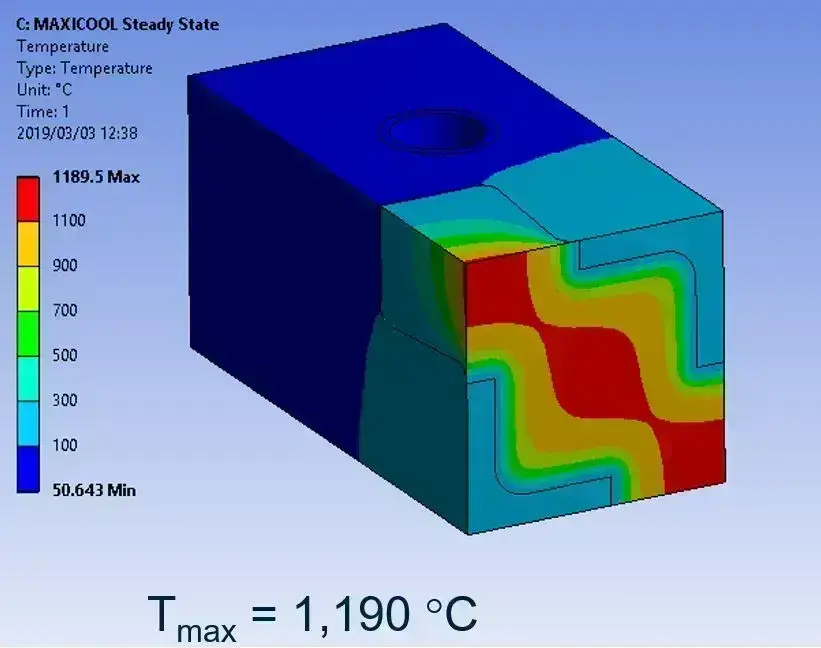
Our copper cooling elements are designed to maintain the maximum copper temperature below 400°C when subjected to extreme operating conditions. This is to ensure that the structural integrity of the copper cooling elements is maintained and to prevent oxidation of the copper over time.
Cast-in Monel tubes in the MAXICOOL® copper coolers eliminate the risk of water leaks caused by casting defects. Long-term cracks in the copper due to thermal fatigue are unlikely to extend into Monel passages. The cooling water circuits in our COPPER-GRAPHITE COMPOSITE coolers are kept external to the furnace shell to prevent any leaks inside the furnace.
Tenova has developed an alternative cooling system called MEGtec™ for critical deep-cooled applications such as alloy and matte tapholes. MEGtec™ uses a cooling medium that is unlikely to cause explosions when it comes in contact with molten matte or alloys.
Digital
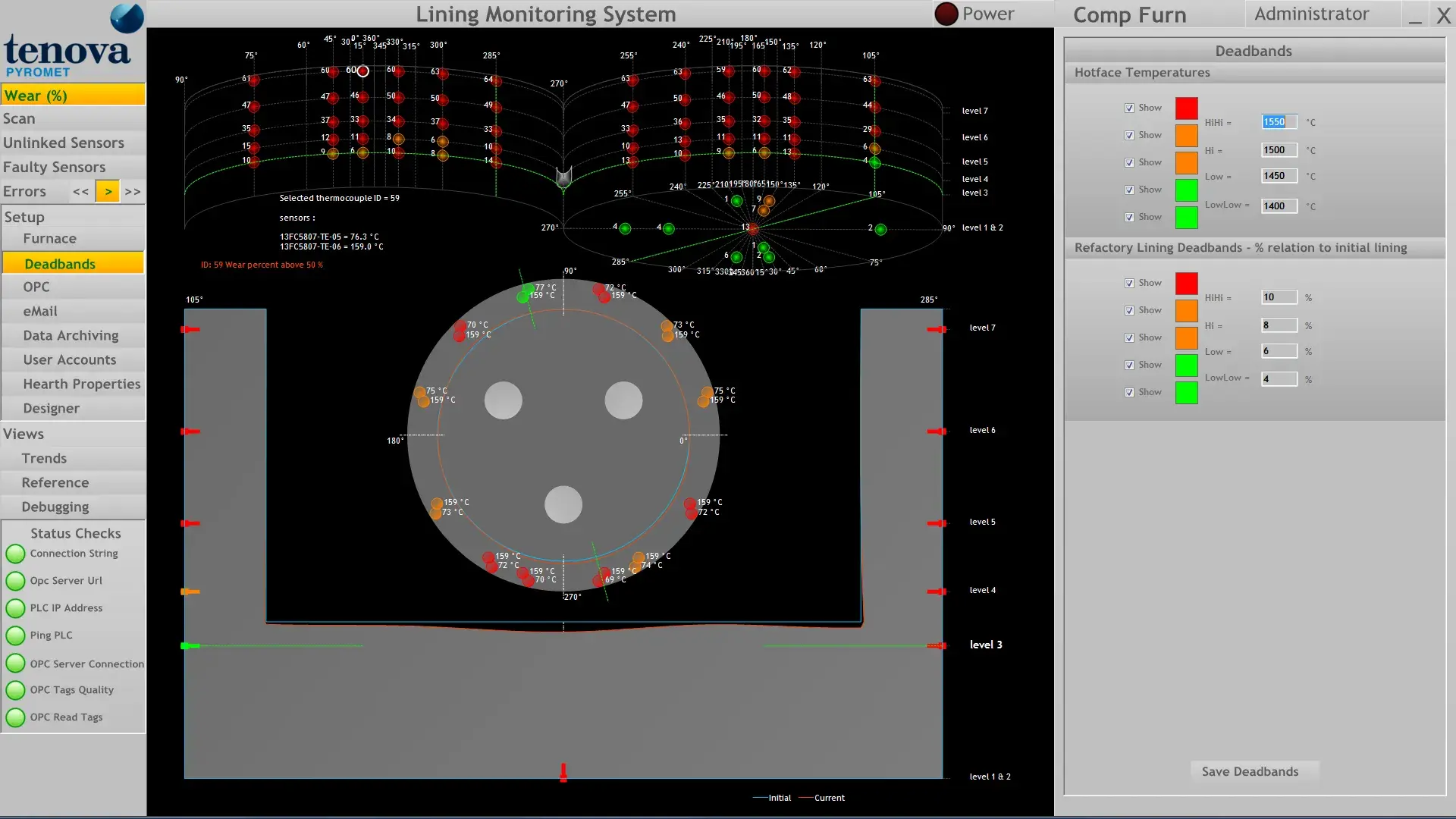
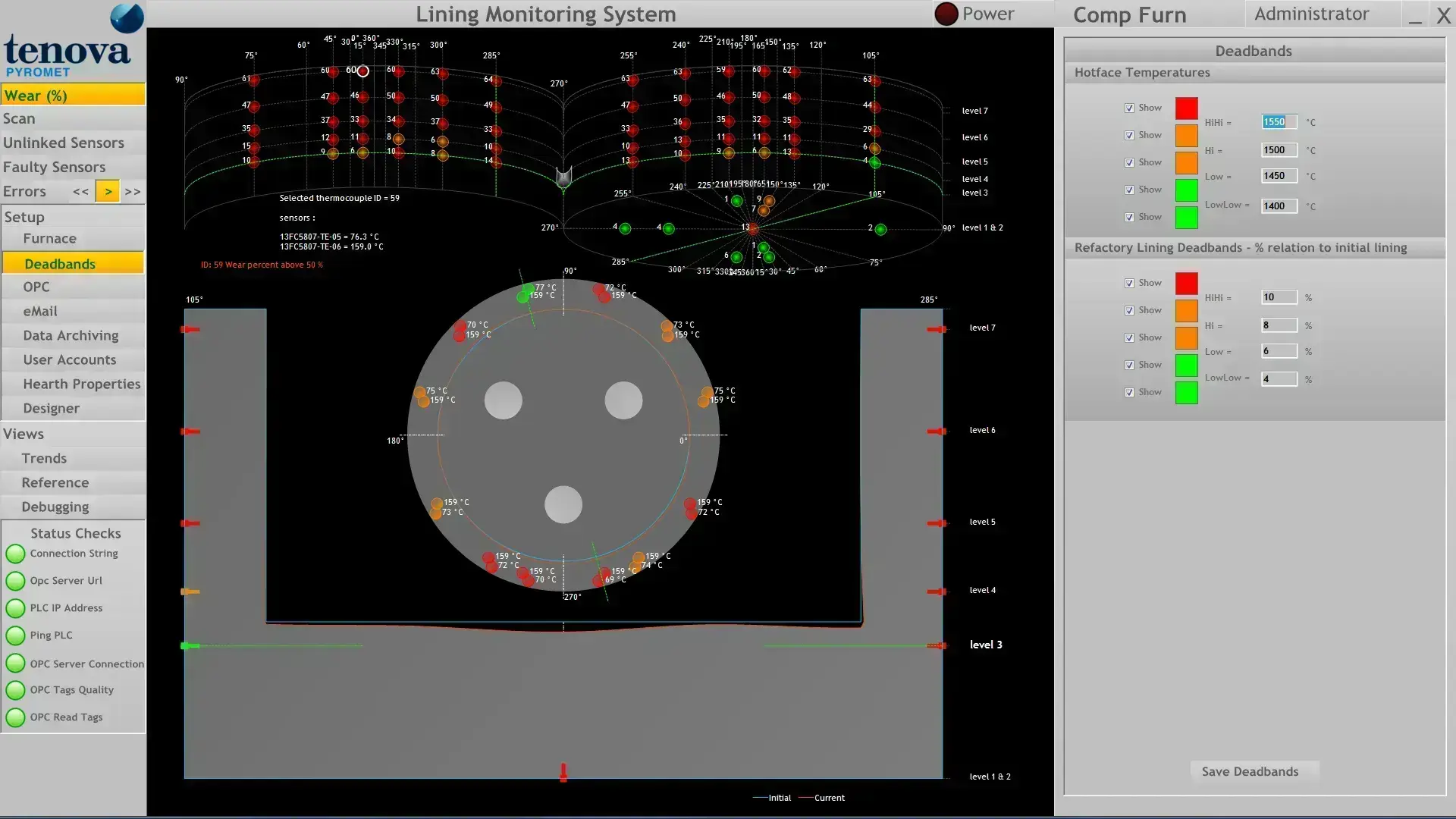
A Lining Monitoring System (LMS) module forms part of Tenova’s AutoFurn™ furnace controller and information system. The LMS is used to monitor the furnace lining condition, including freeze lining thickness around the furnace circumference, heat losses, heat fluxes, and temperatures. The LMS is available as a standalone product.
Papers