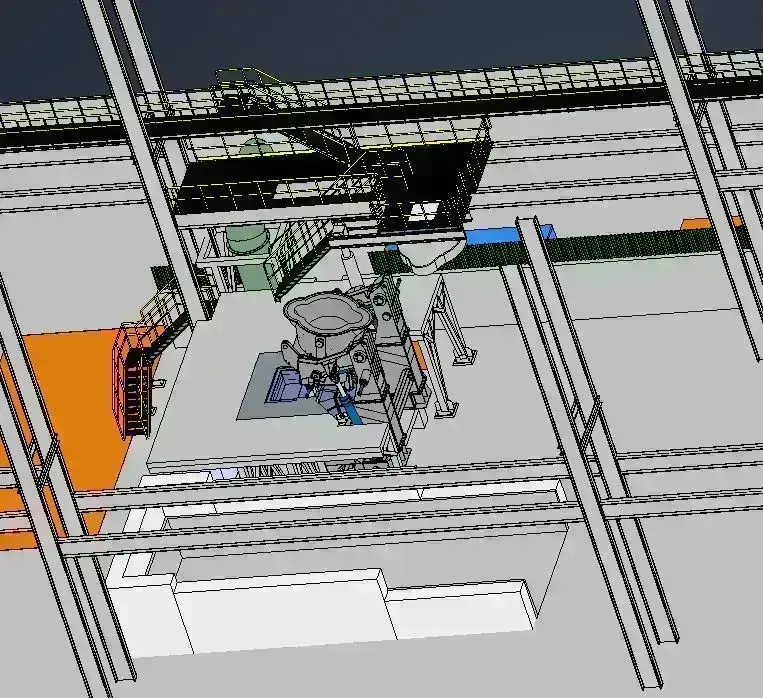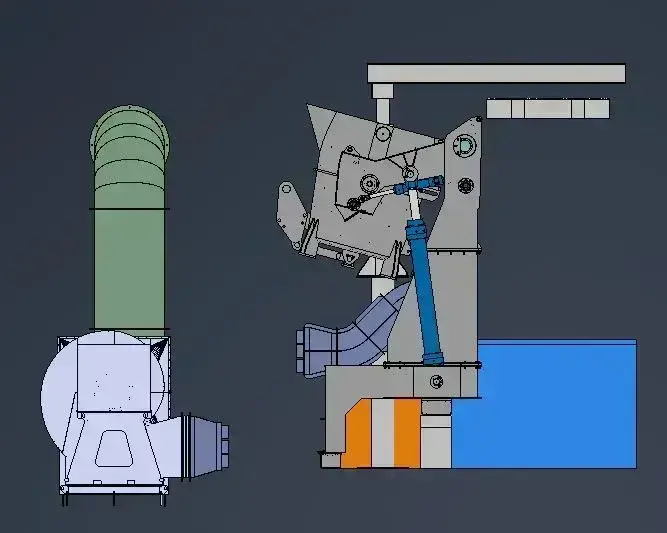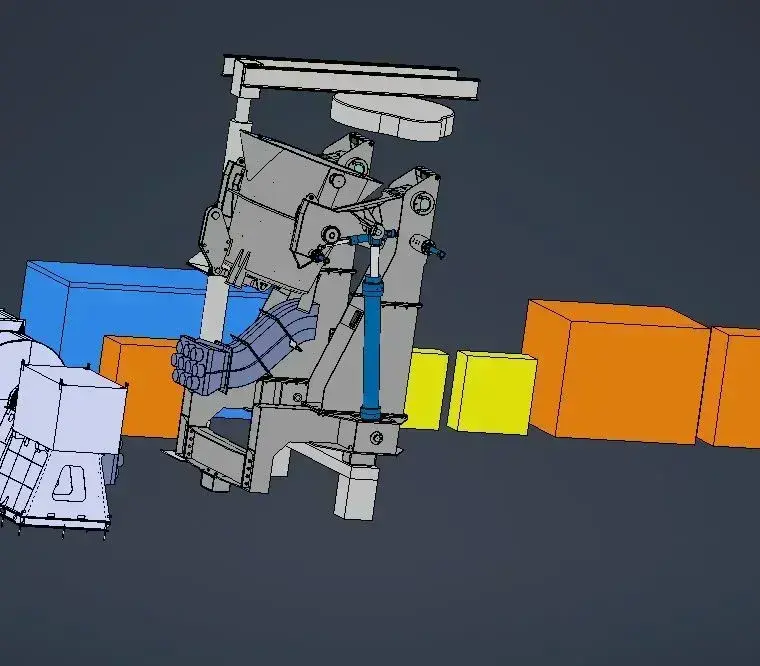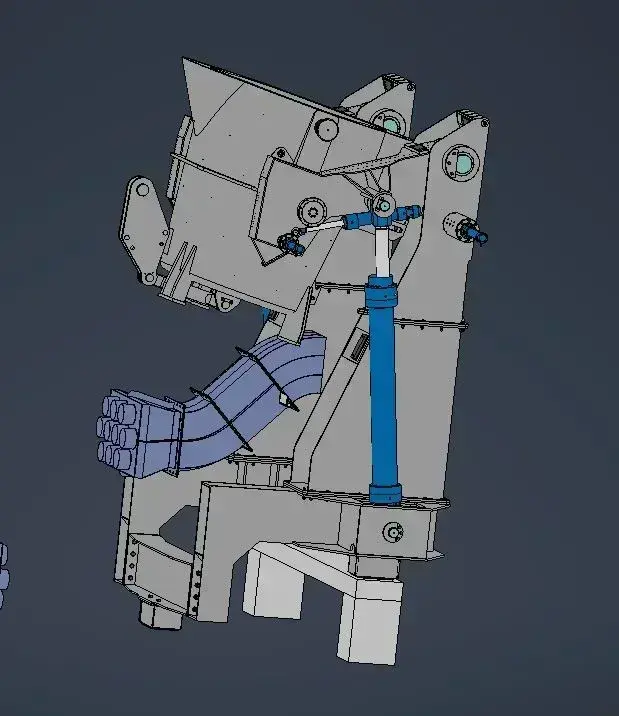

Slag Dry Granulation
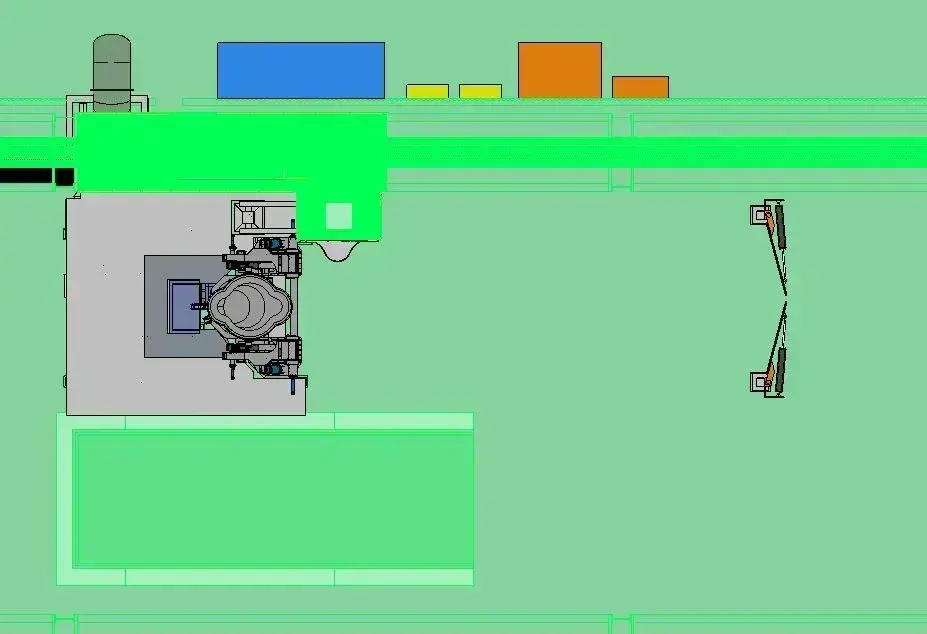
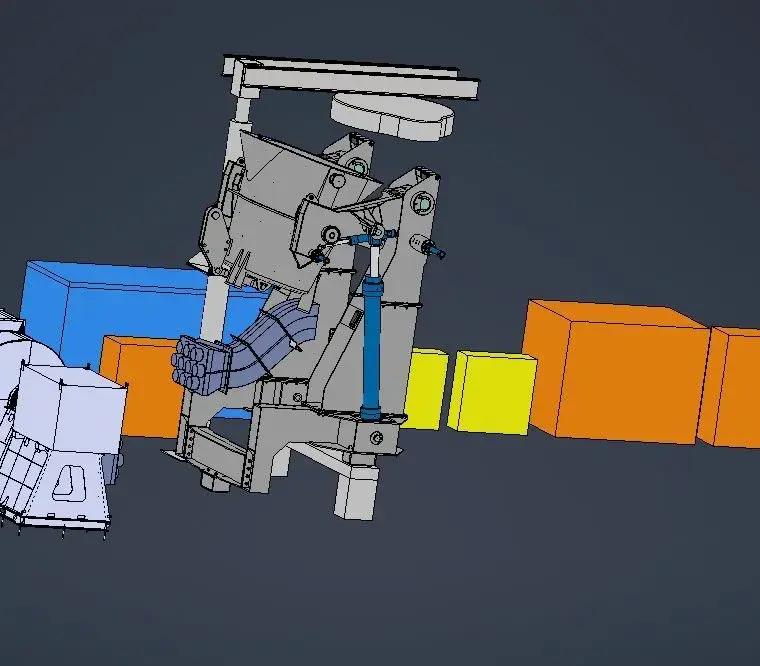
Tenova developed a valorization process for the EAF and LF slag as a raw material. The process consists in the dry cooling of the liquid slag eventually mixed with residual steel by forced air stream to allow their fast solidification.
Overview
Our dry slag granulation technology transforms molten slag from steel furnaces into granules using air stream, eliminating the need for water.
The flexibility of the process allows obtaining granules of different sizes and with different ratio between crystalline and amorphous phases to respond at the request of the final user. This innovative process integrates seamlessly into existing steel production workflows and is specifically designed to meet the needs of industry stakeholders and regulation objectives. By replacing traditional water-based methods with air, our technology reduces operational costs and enhances environmental sustainability, giving steel plants a competitive edge and aligning with circular economy goals for industrial waste reduction and resource recovery.
Technical Data
- EAF Slag Granulometry: The granulated slag particles are consistently sized between 0,5 and 5 mm, making them ideal for various secondary applications.
- EAF Slag Morphology: The granulation process ensures different ratio between crystalline and amorphous (up to 90%), enhancing its stability and chemical inertness, which is crucial for construction and other industrial applications.
- LF Slag Granulometry: Particles are granulated to a controlled size range of 0.5 to 5 mm, facilitating easy handling and processing for downstream uses.
- LF Slag Morphology: The granulation process can reach an amorphous phase over 98%, with minimal crystalline residues, thereby increasing its suitability for commercial applications, such as construction material substitutes.
Innovation
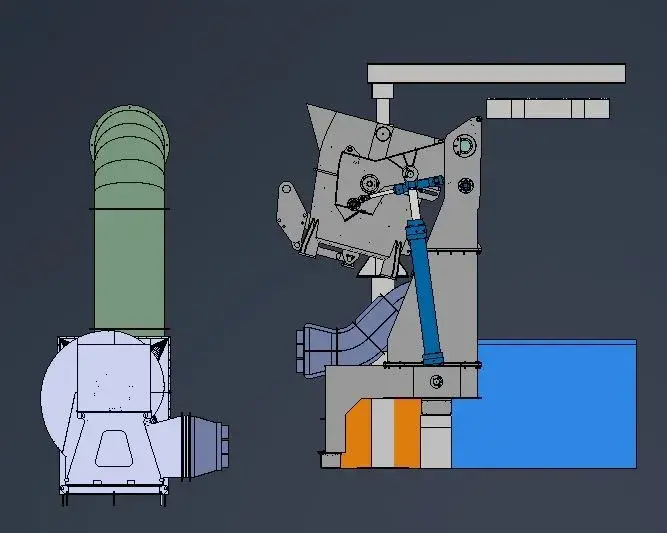
Our dry slag granulation technology stands out for its flexibility thanks to the possibility to use different air to slag momentum ratio, different air velocity and changing fly time of slag granules.
This allows obtaining granules of different size and with different fraction of crystalline and amorphous phases —a key property for ensuring the different valorization of slag-based products.
The technology is fully automated and integrates with existing plant operations without substantial modifications, facilitating a smooth transition to a more sustainable slag handling process. This innovation not only optimizes material recovery but also transforms waste into a valuable commodity.
Environment
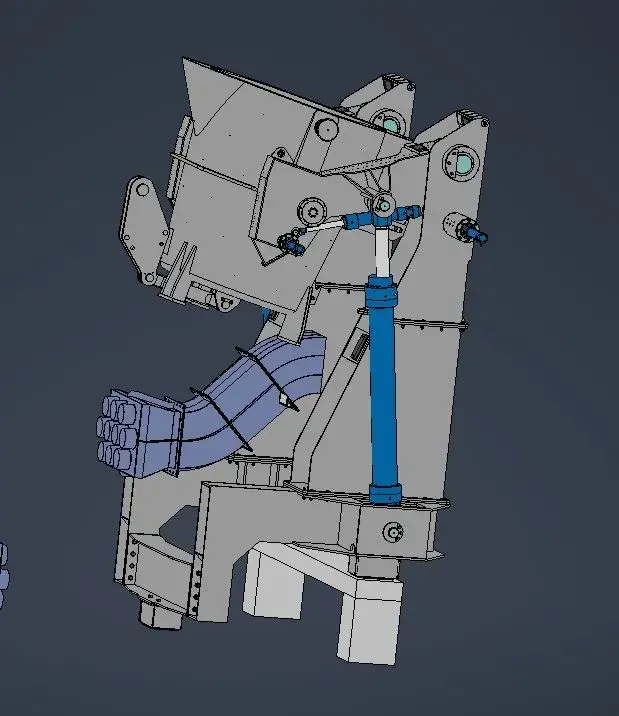
This technology is particularly environmentally friendly. In the of LF slag the fast cooling prevent the well know problem of slag shattering into very fine powder.
In general, the dry granulation process conserves resources avoiding direct or indirect use of water, and prevents the formation of contamination wastewater and the associated treatment costs. Additionally, the reduction in landfill use, through the conversion of slag into useful products, significantly lowers greenhouse gas emissions and helps conserve natural resources.
Safety
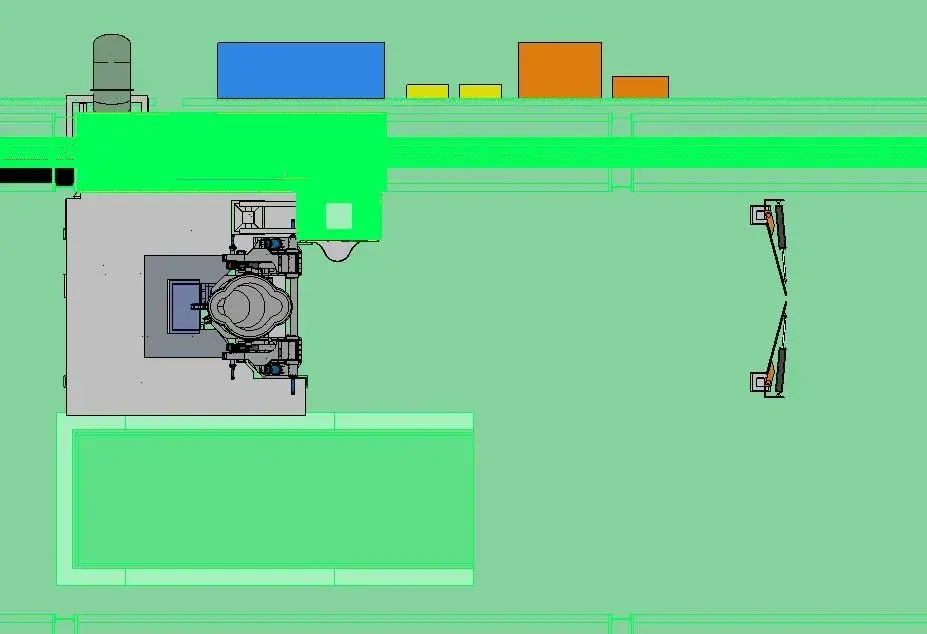
The air-based granulation process inherently reduces workplace hazards compared to traditional water-based methods. By eliminating the use of water, it avoids the risks associated with steam explosions and reduces the potential for the leaching of heavy metals and other toxic elements. Furthermore, the closed-system design minimizes workers’ exposure to high-temperature materials and particulate matter, enhancing operational safety.
Related Solutions

South Africa & RoW

Mark Giese
Manager Metallurgy and Environmental Technologies Metal Making, Tenova Inc.