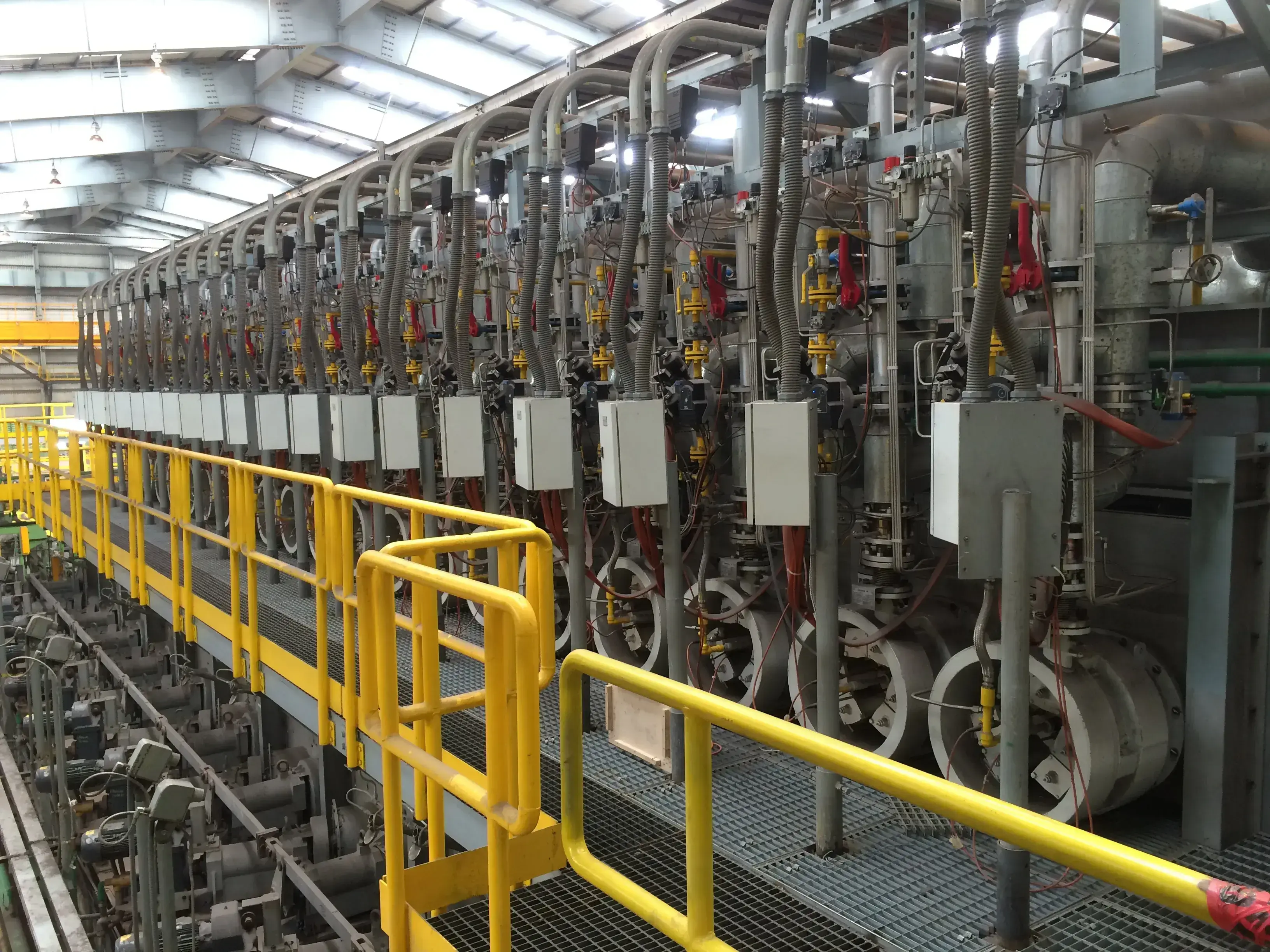

Walking Beam Hardening Furnace
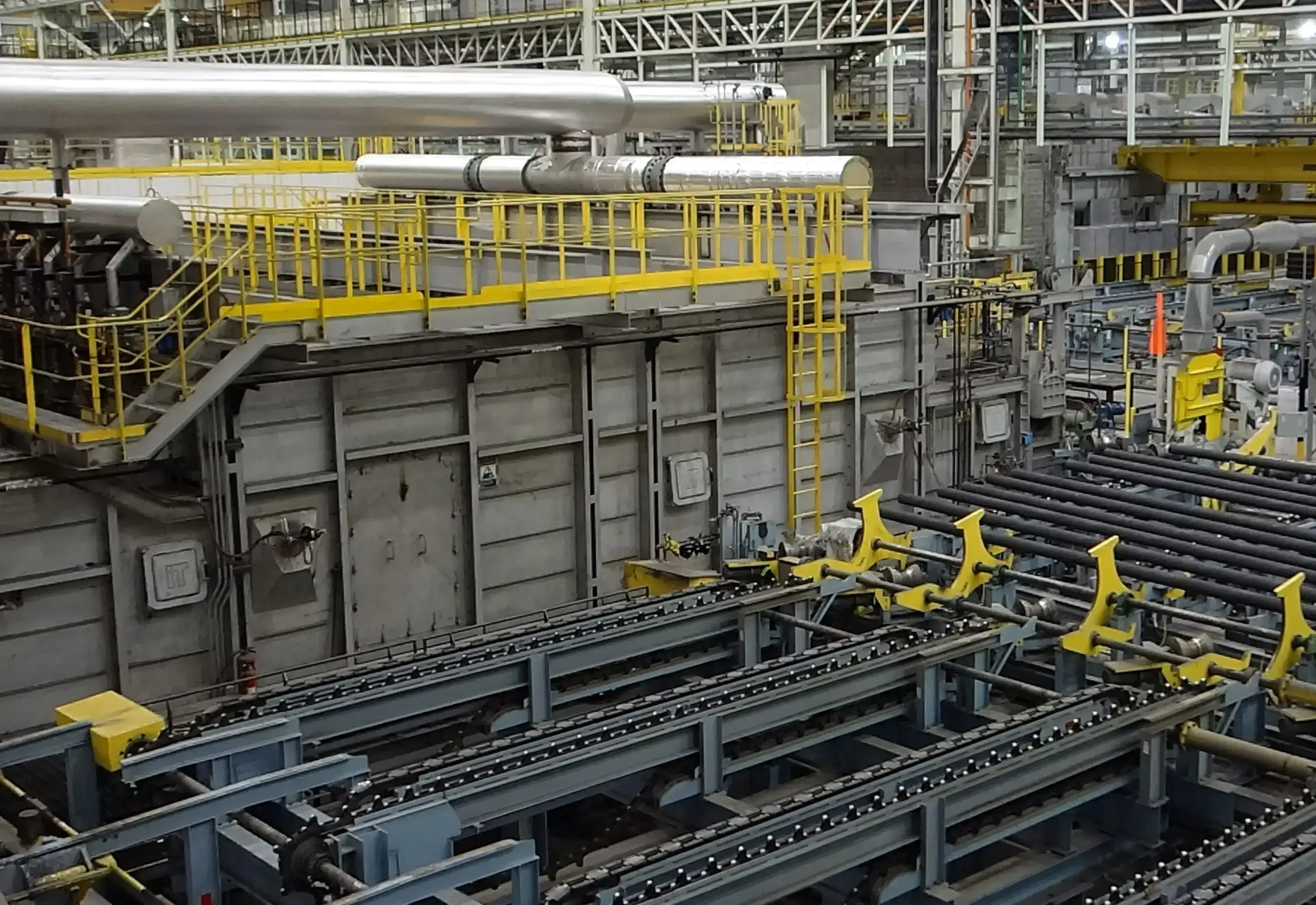
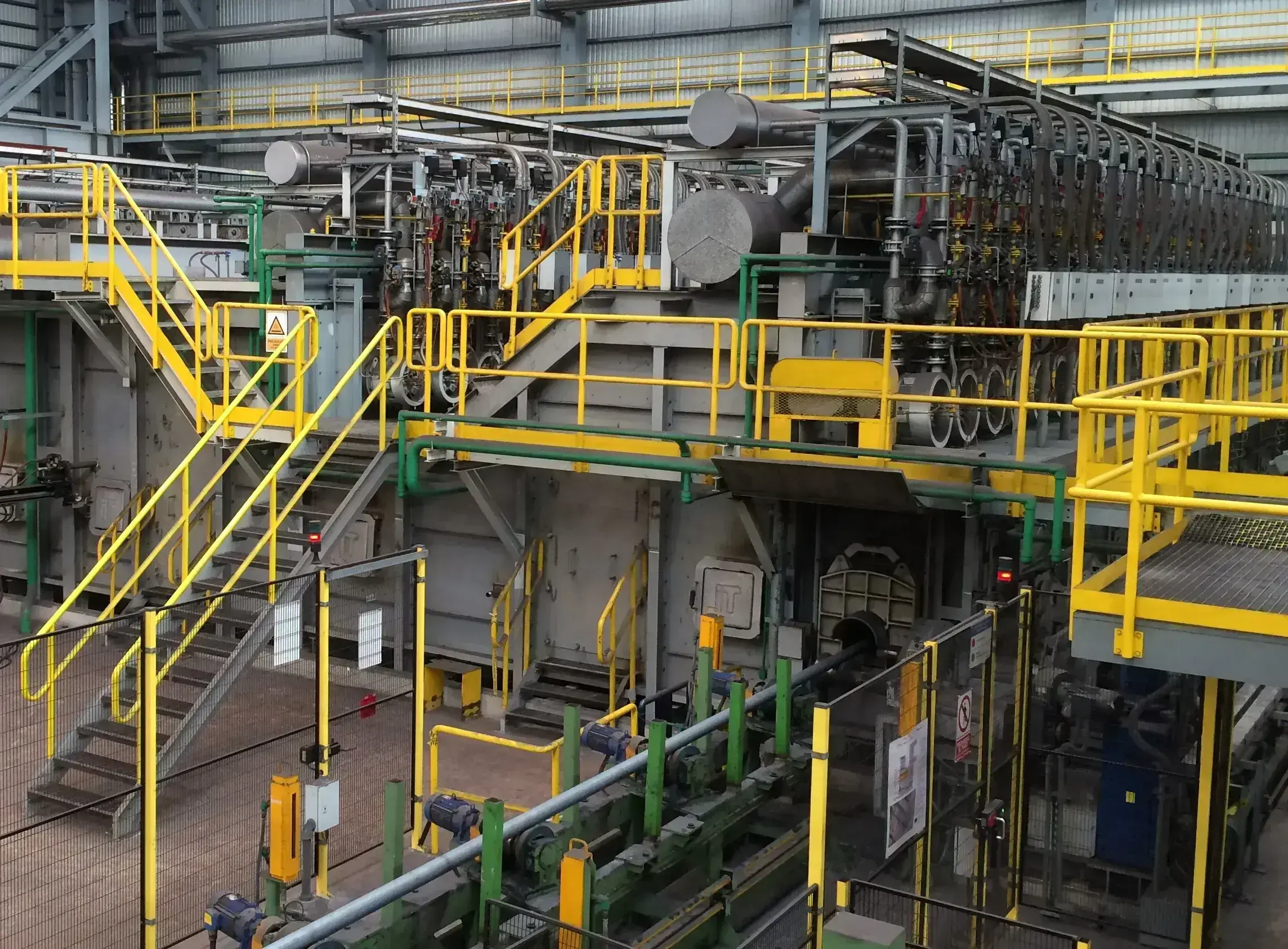
Walking Beam Hardening Furnaces are part of the innovative Tenova Heat Treatment lines which are designed to meet the strict processing requirements of the modern pipe plant. They provide for a high temperature uniformity along the pipe length during the austenitizing process which assures the best pipe mechanical properties.
Thanks to Digital Solutions and Innovative AI models the process control is optimized for an increased pipe quality and process efficiency.
Overview
From stand-alone heat treatment furnaces to complete Heat Treatment Lines, Tenova provides reliable equipment for the processing of pipe products.
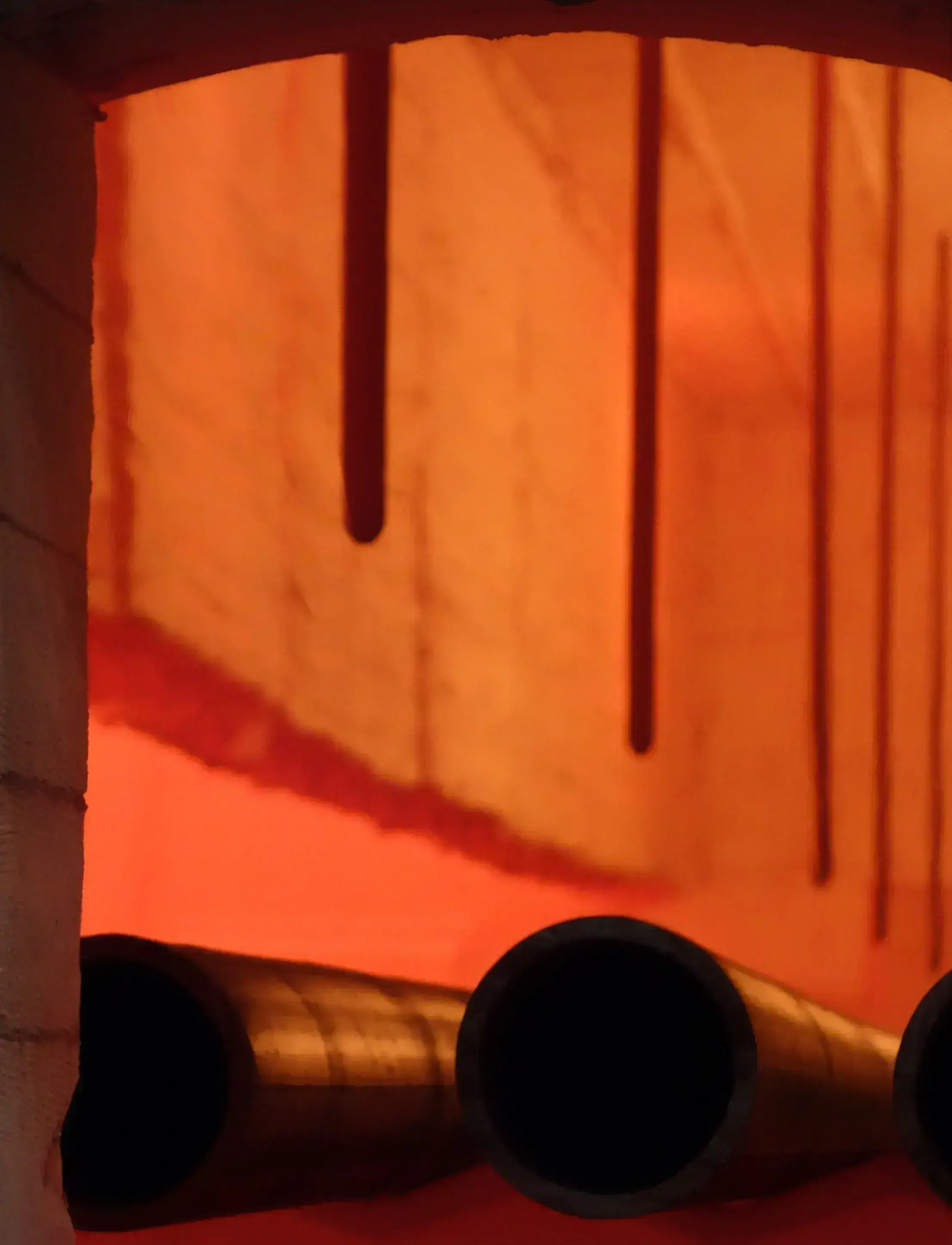
Walking Beam Hardening Furnaces are part of the innovative Tenova Heat Treatment Lines which are designed to meet the strict processing requirements of the modern pipe plant. They provide for a high temperature uniformity along the pipe length during the austenitizing process which reaches temperatures up to 920°C. The Tenova design assures the best pipe mechanical properties and avoid the geometrical bending during the transportation inside the furnace as well as during the subsequent quenching process.
The long experience of Tenova reflected by more than 350 Walking Beam Furnaces supplied worldwide together with a continuous improvement of the process and equipment, assures smooth operation and easy maintenance, high final product quality and enhanced sustainability.
A wide range of reliable solutions for the mechanical and for the combustion systems can be combined according to the customers’ requirement.
In recent years, the proven reliability of Tenova Walking Beam Furnaces is combined to a new generation of advanced features to shift the Furnace into a high technological production unit. The Digital Solutions, New algorithms and Innovative AI models for enhanced process control and proactive management of the assets assure an increased sustainability and profitability of the furnace system.
Technical data
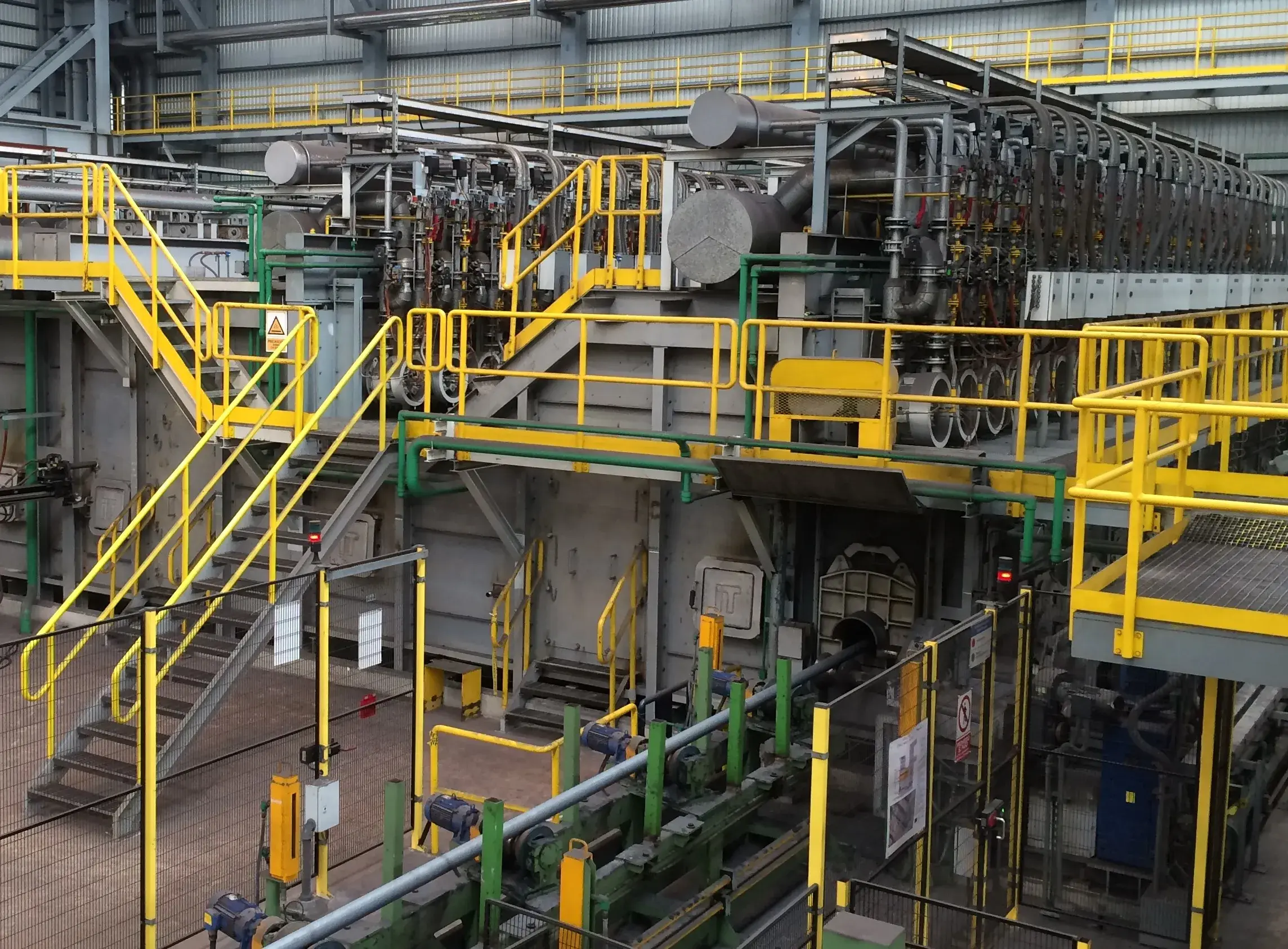
- High productivity: up to 70 t/h tph and more
- Furnace’s length up to 18 meter and more
- Pipe lengths: 6000 till 15000 mm
- Pipe OD: 1” to 4 ½ “ (114,30 mm) for tubing ; 4 ½“ to 20“ (508 mm) for casing
- Pipe WT: 2,8 mm to 22 mm for tubing ; 5,2 mm 35,7 mm for casing
- Upset pipe processing allowed
- Wide variety of mechanical and handling solutions to ensure pipe temperature uniformity and straightness
- Skid system by special heat resistant casting for improved pipe temperature uniformity
Benefits and profitability
- Low fuel consumption
- NOx and CO emissions according to Best Available Technologies
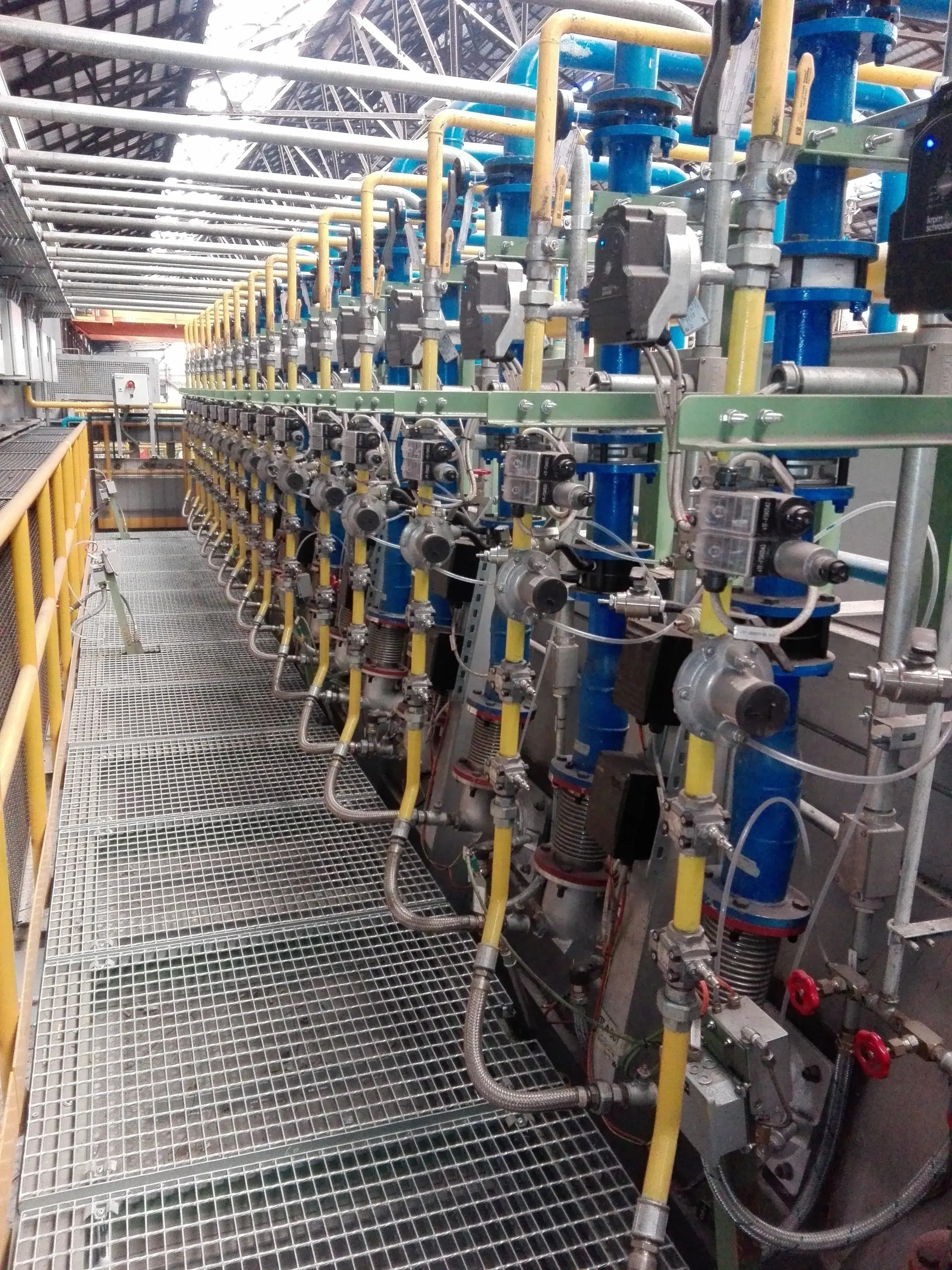
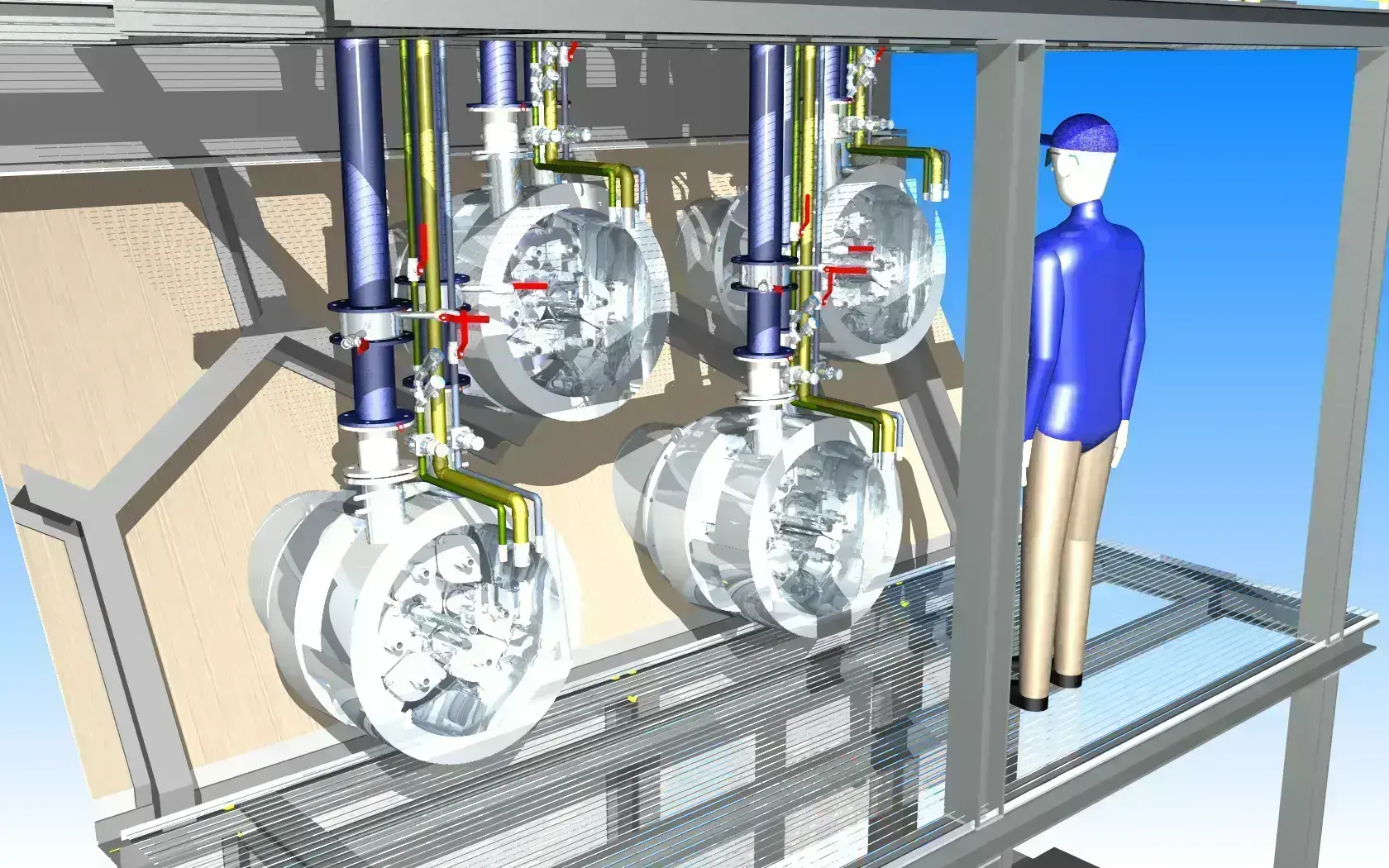
- Tenova in-house developed burner to cope with process requirement and to enhance sustainability
- Indirect heating system to maximize pipe temperature uniformity
- High velocity burners with free flame
- Tenova Flexytech ™ technology gathering virtual zone separation to exactly locate the heat input where it is required across the furnace chamber.
- Hydogen and hybrid combustion
- High plant availability
- Limited oxide scale formation
- Special geometry of steel casted fingers have been developed for charging and discharging machines to allow an improved flexibility to the system for handling different sizes of pipes and minimize the pipe pace rate.
Innovation
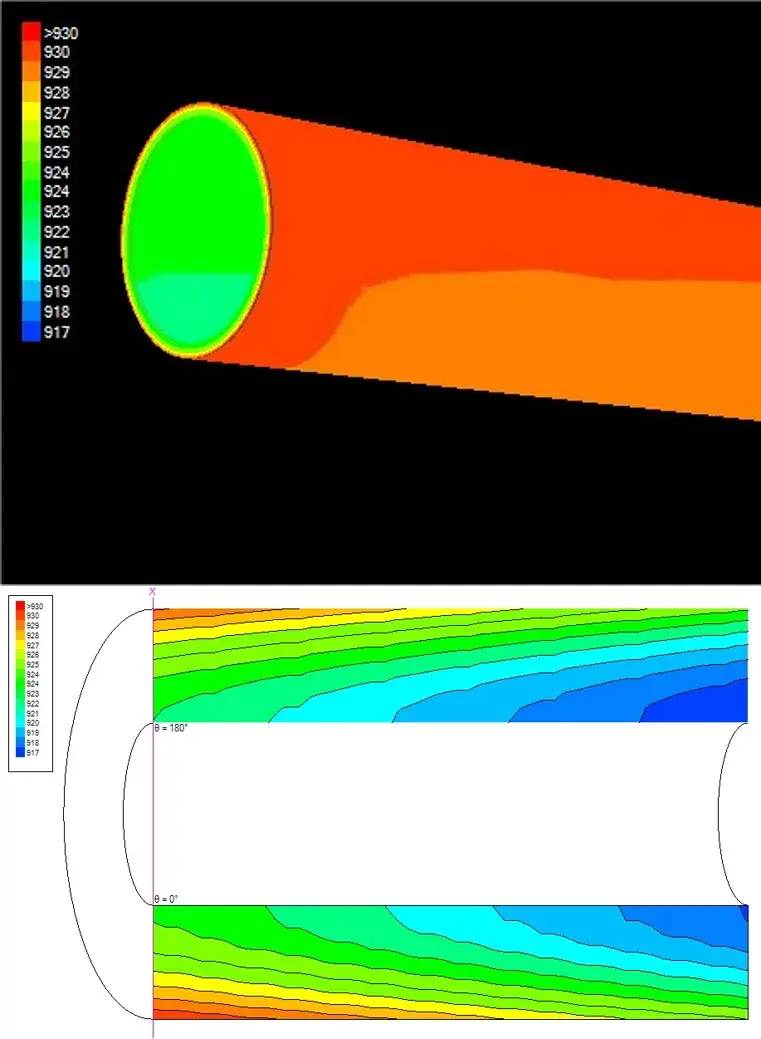
Tenova is on the forefront of the innovation: dedicated teams are involving experts for a continuous development of advanced equipment, software solutions and models.
All the equipment are designed and verified under dynamic conditions, which simulate the actual operating condition at plant.
The design of the furnaces is made by in-house software suite Tenova Caltec which includes several tools for:
- 3D heating process modeling
- Pipe properties predictions
- Mechanical and handling design
- Combustion system design
The results have been validated through the years by dedicated tests and field data collection assuring the reliability of the software’s tool.
The Tenova MSTT software is used for micro-structural and thermal simulations. The austenitizing recipes are selected by combining the heating simulation with the subsequent quenching or normalizing process. The Tenova MSTT features also the simulation of TTT and CCT curves based on steel grade composition and cooling process data.
Tenova has a long tradition in leading edge combustion technology and developed an interdisciplinary design process including Computation Fluid Dynamics (CFD) modeling, industrial scale test and industrial applications.
The above mentioned workflow allows to drastically reduce the time to market for the development of new burners and combustion system.
Safety
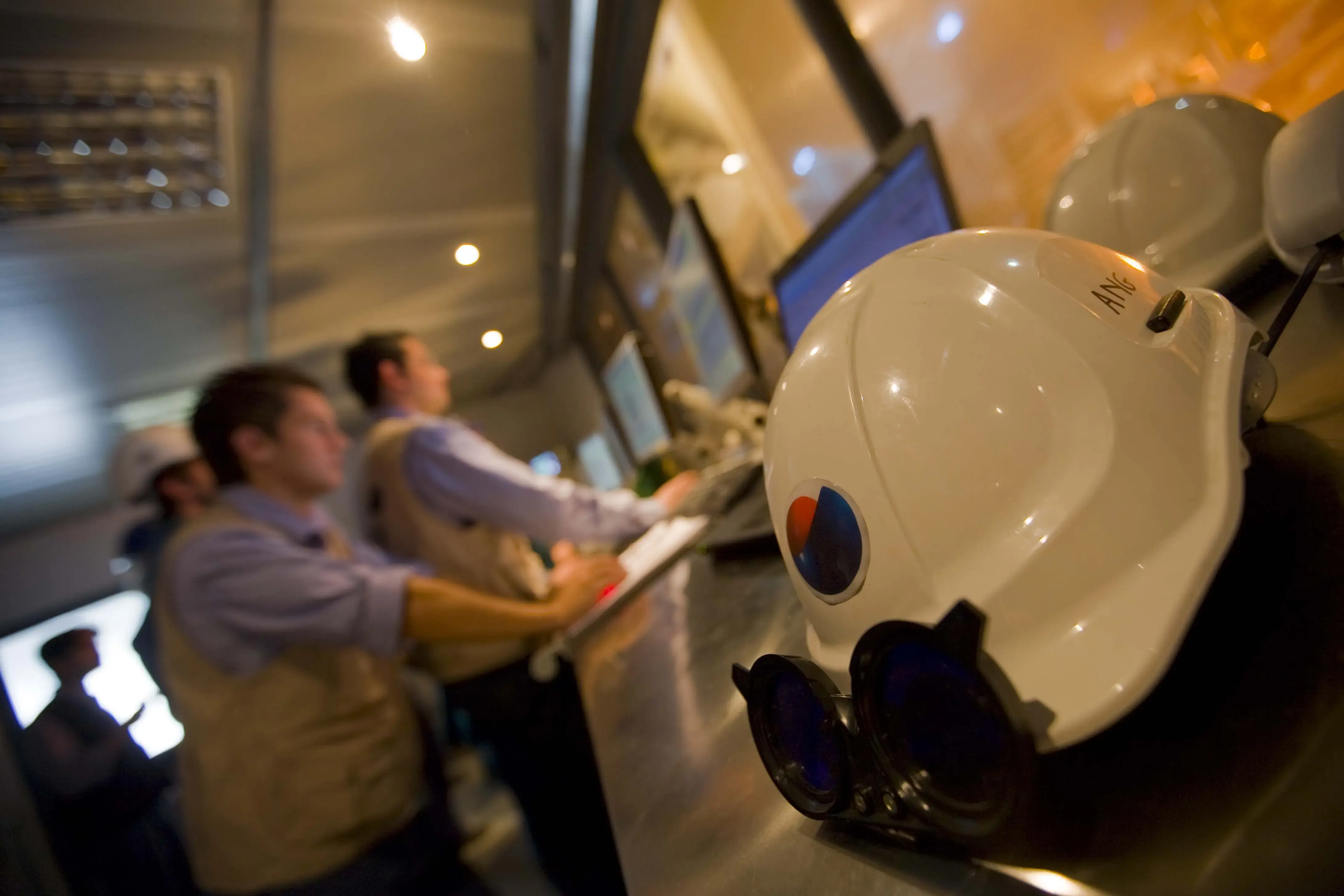
Safety is a priority for Tenova. For this reason, the Safety team is directly involved during the engineering and the execution of all the jobs. It performs risks assessment and reduction measures identification detailed processes.
In order to assure the safety of personnel and the protection of the machinery the following solutions are applied:
- Design of machine done to integrate safety solution
- Area segregation (Fixed Fence, interlocked moveable guards with guard locking).
- Safety Automation control with adequate protection against systematic and random faults (Input, Logic and Output of the command circuits compliant to adequate Performance Level)
- Other Specific reduction measures relevant for the identified risks level.
- Information on Residual Risks by means of Safety Instruction, Safety Warnings signs, etc.
Tenova design can be customized and adapted to local safety regulation for manufacturer (EC Declaration of conformity, EAC Declaration of conformity, OSHA 1910, etc.) and relative standards, e.g. (EN, EN ISO, NFPA, etc.)
Automation
Next generation HMI including the following features:
- User-friendly and intuitive HMI with point and click devices
- Diagnostic features allow to immediately recognize the failure and quickly navigate to the failed equipment
The virtualization of the architecture allows the end users to get the following advantages:
- Drastically increased energy savings
- Drastically reduced downtime in case of HMI client substitution
- Get the High Availability (HA) feature for all the servers and all the clients of the while automation architecture
Safety PLC and Safety Field Equipment as implementation of a detailed risk assessment study, that includes:
- Safety functions identification
- Performance Level / SIL assessment
- Safety Function specification
- Verification and validation process
Environment

Energy transition trends push for the steel industry to start decarbonization as soon as possible, besides pollutant emissions have to be considerably reduced. These technical goals are embraced by Tenova with a dedicated Burners Department which through innovation provides for sustainable solutions. Hydrogen burners, high efficiency burners, low NOX and low CO burners are some of the key elements of the Tenova Burner product portfolio which can offer a wide variety of solutions to respect the strictest environmental standard, to lower CO2 emissions allowing for a sustainable production.
Self-regenerative burners, specifically designed for pipe heat treatment furnaces, exploit the technology of TRGX Regenerative burners used for re-heating process into a new generation burner which perfectly fit the Heat Treatment Furnaces
Sustenovability - TRGX: Regenerative Flameless Burner - YouTube
The Reheating furnace process and related controls by automation system are designed to effectively minimize the utility and resources consumption.
Digital
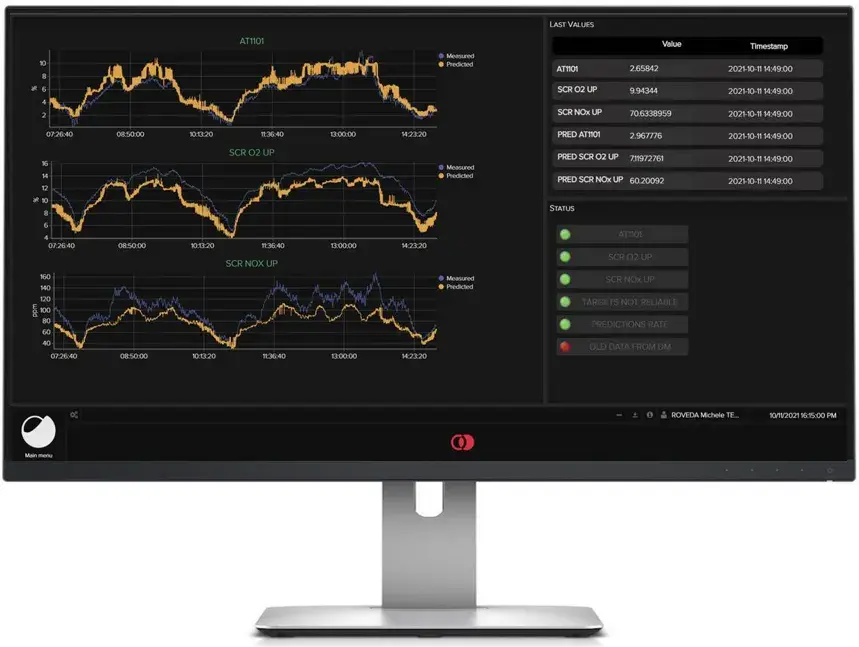
Tenova Furnace Digital Packages “Tenova FDP” purposely designed for heat treatment furnaces shift the furnaces from traditional equipment to more efficient and technological production units.
New algorithms and innovative AI models allow for more profitability of the furnace system as follows:
- Higher plant efficiency
- Reduction of costs related to Fuel
- Improve sustainability
- Improve final product quality
- Condition Monitoring Systems for maintenance
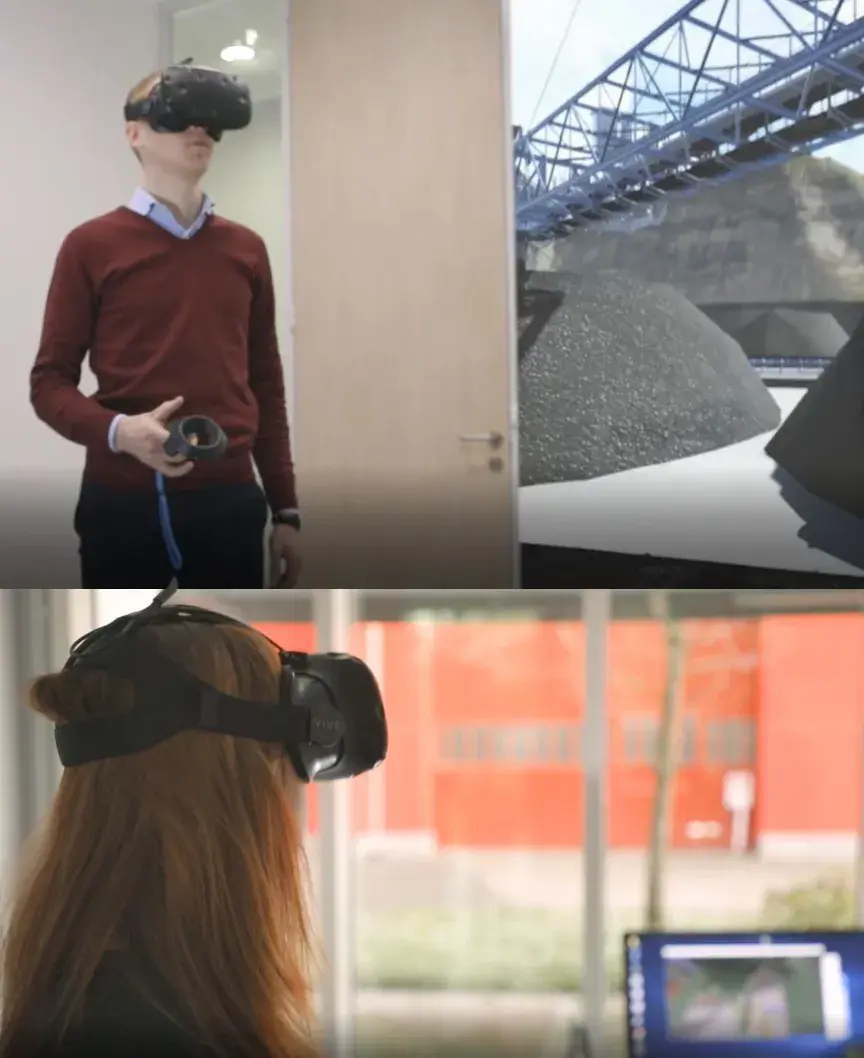
From the synergy of Tenova Digital Teams, IT Teams and domain experts, the Virtual Reality approach is now part of the Tenova job execution from sales and engineering activities till the final user dedicated operation and maintenance training sessions.
Tenova is able to provide for the Real-time navigation for model up to 250 Milions of polygons allowing users to interact with virtualized equipment and machines. The interactive experience can be shared with other teams remotely connected from customers and partners offices or from dedicated VR Rooms available at several Tenova’s offices worldwide.
Tenova adVISOR is your remote mentor on site, guiding you through our experts´remote support, interactive documentation and the use of artificial intelligenc algorithms on real time automation data.
Related Solutions