

iEAF® Net Energy Control
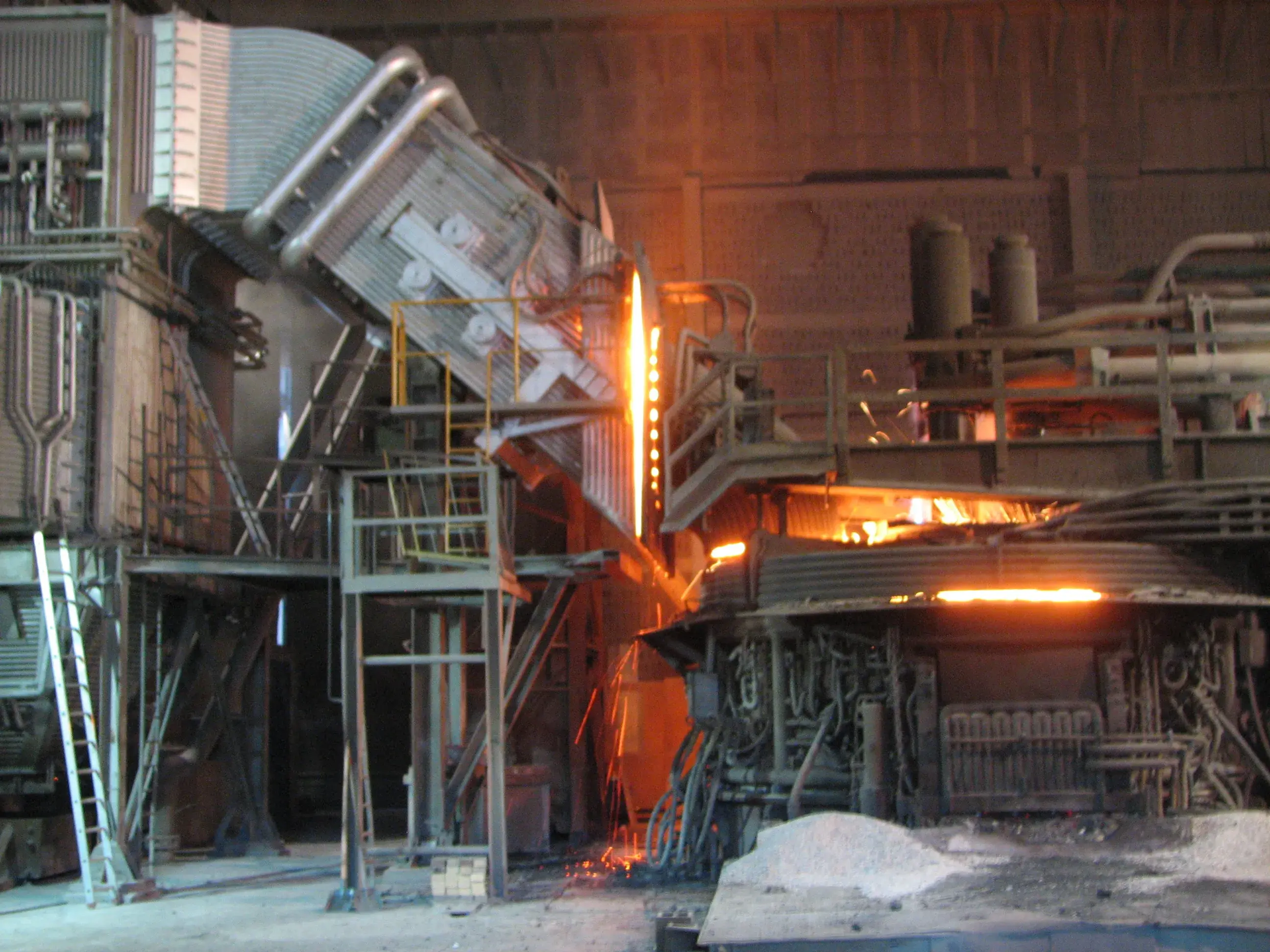
Tenova’s i EAF® Dynamic Net Energy Control is based on novel sensors combined with mathematical models to achieve a mass energy balance. Heat control is based on real-time calculation of melting percent which is a ground-breaking innovation in the pacing of EAF operations.
Overview
iEAF® dynamic melting control uses fundamental thermodynamic and kinetic relationships along with traditional “kWh per ton” control logic to pace every heat the same way irrespective of the heat’s actual energy efficiency. Using novel sensors combined with mathematical models to achieve a mass energy balance. Novel sensors include:
Off-gas temperature/pressure/flow-rate
Slag and liquid weight measurement or calculation
iEAF® dynamic refining control uses endpoint detection to facilitate temperature and carbon conditions to be reached in a dynamically optimized way. The module uses data from the novel sensors combined with Bath & Slag process control models to:
Dynamically monitor and evaluate refining scenarios
Dynamically optimize the refining path by selecting optimum chemical and energy profiles
Determine when the endpoint condition (T and C) is reached
Technical data
Dynamic Net Energy Control employs off-gas temperature, pressure, and flow rate measurements to:
Further reduce total energy consumption
Reduced Power On Time
Correct timing for bucket charging
Precise onset of flat bath condition
Reduced process variability and tap alloy addition
Increased productivity

Innovation
Heat control is based on real-time calculation of the melting percent, rather than on traditional kWh per ton method. With this approach, the iEAF® dynamic melting control is a ground breaking innovation in the pacing of EAF operations.
Automation
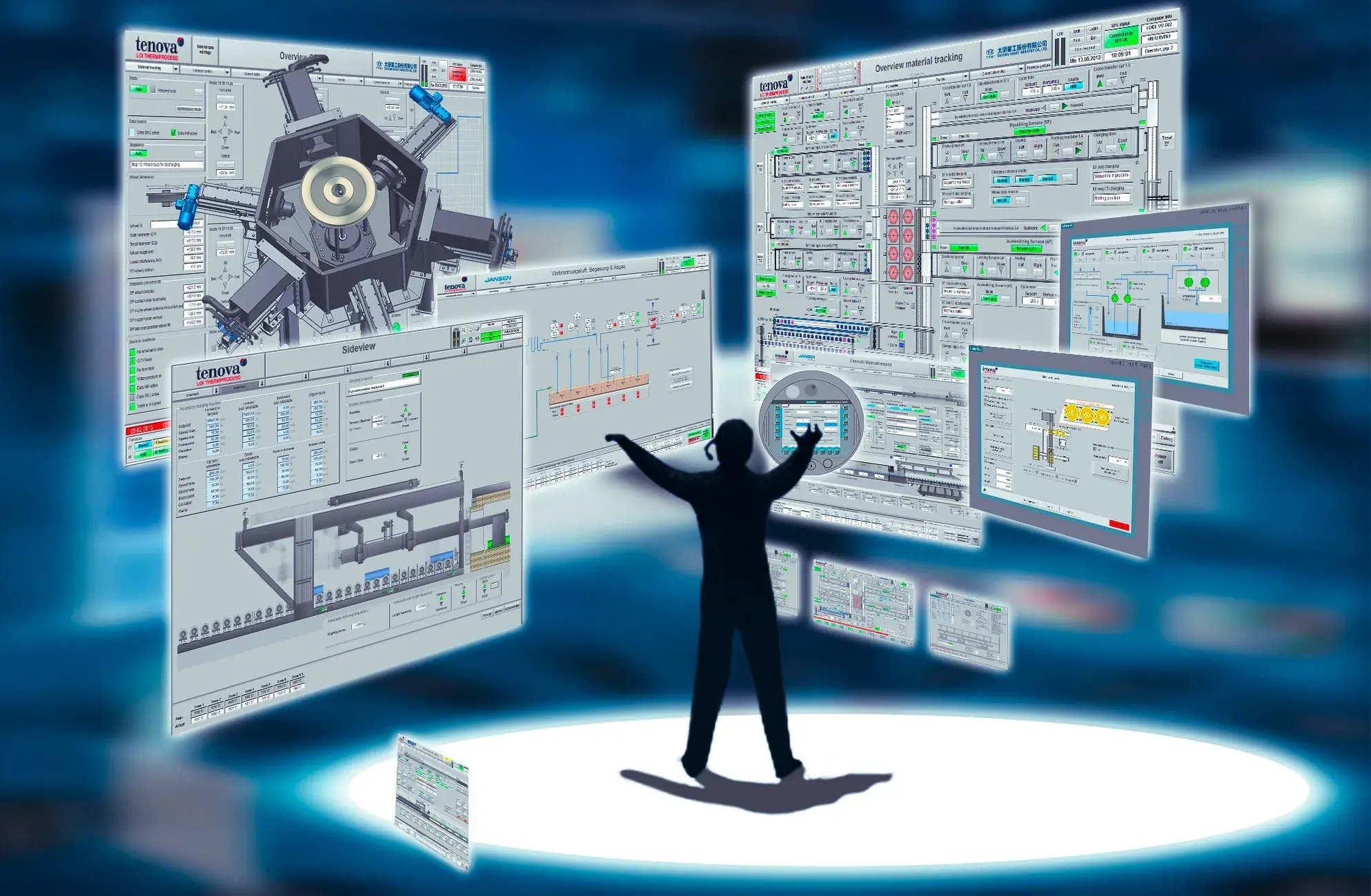
Advanced control algorithms
Open platform architecture
Industry 4.0 with Machine Learning
Related Solutions