
ENERGIRON
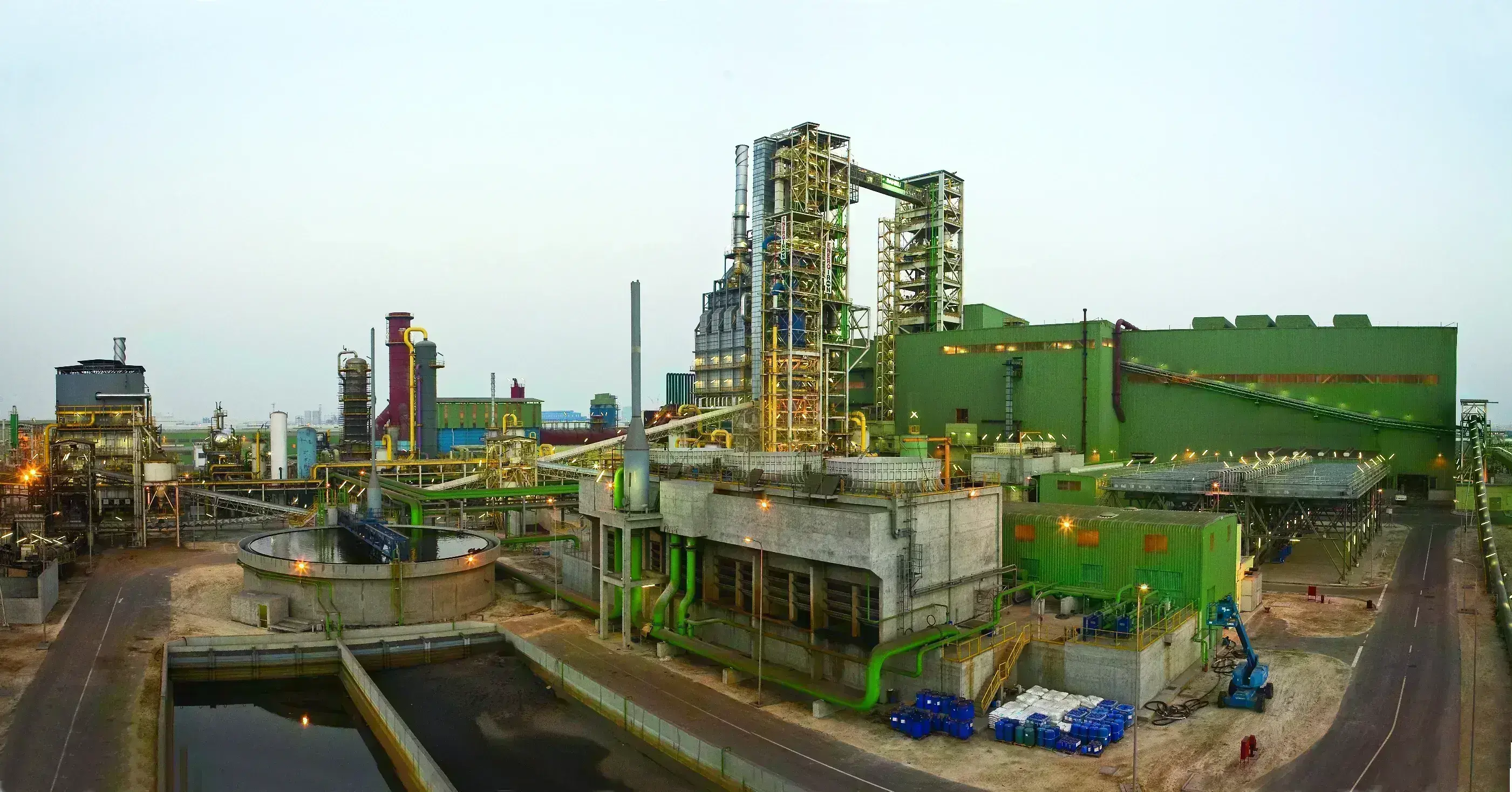
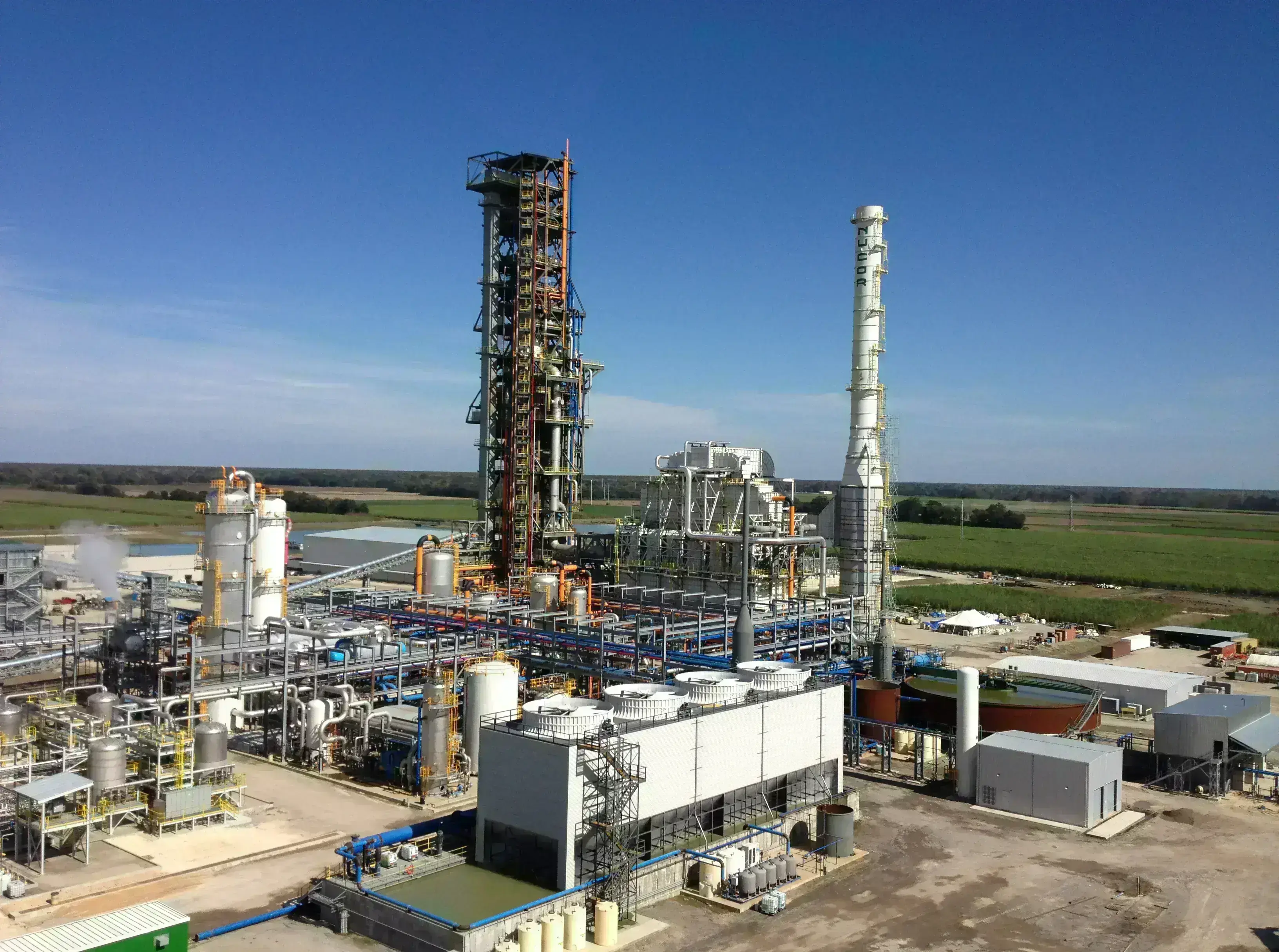
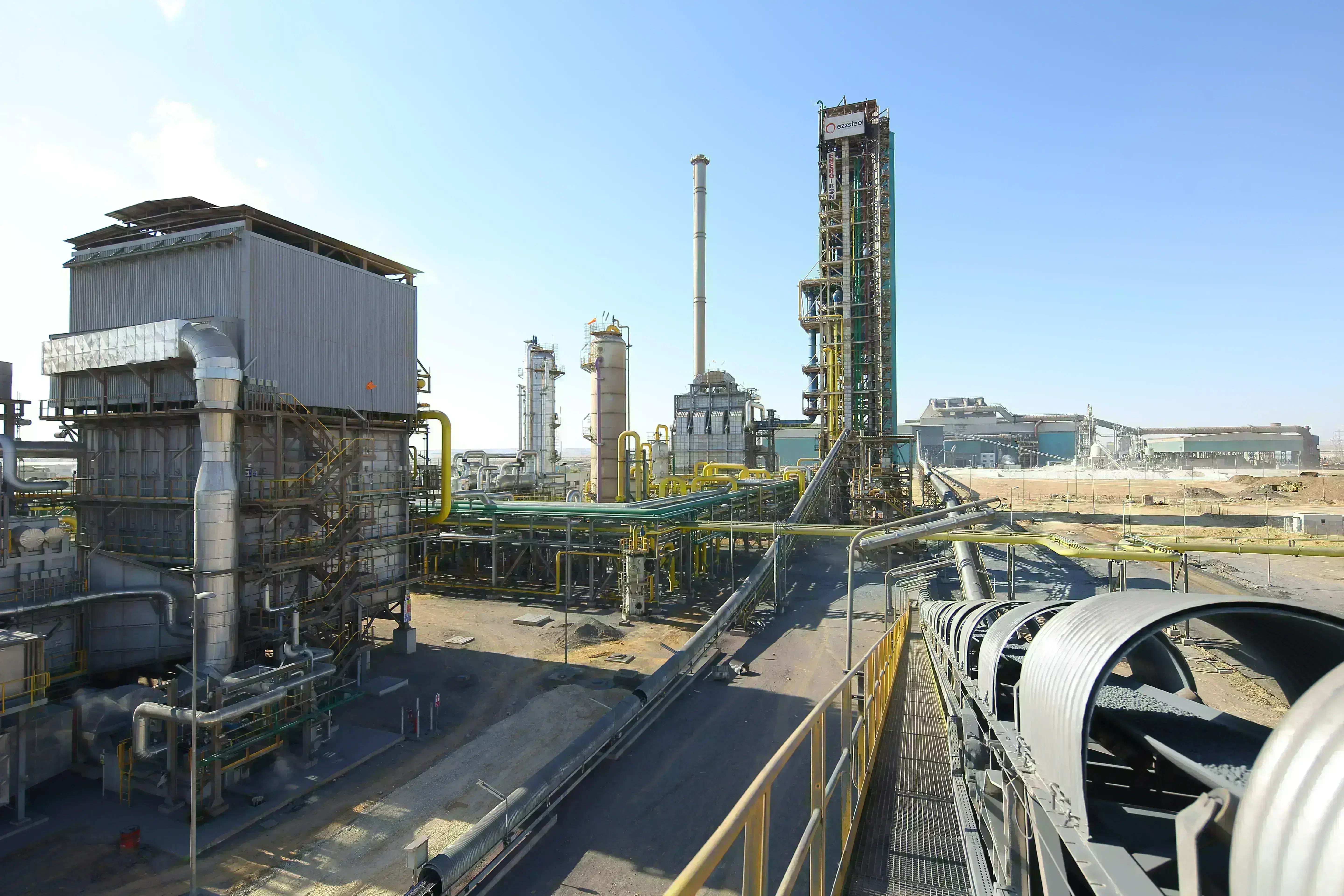
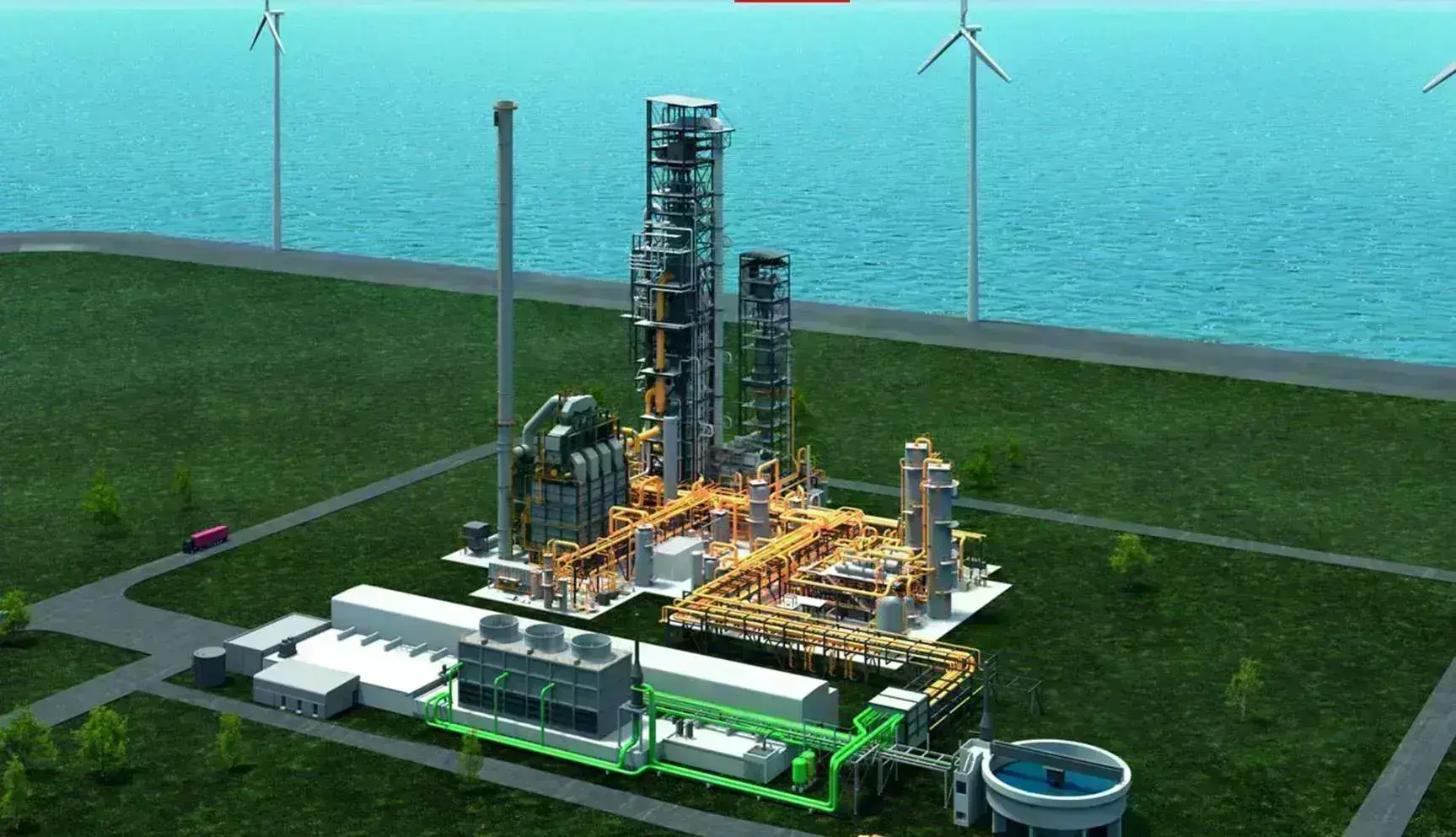
ENERGIRON is the innovative HYL Direct Reduction technology designed to use different types of reducing gases sources or pure H2 to reduce Iron Ores into Metallic Iron for its use in melting facilities for producing a wide set of high quality steels.
Overview
Tenova HYL embodies the heritage of more than 60 years of direct reduction technology development, having pioneered the industry back in 1957 with the first Industrial HYL process plant. Our innovative DR technology represents the most advanced state of the art in DR plants design, operation, environmental friendliness and economy. The ENERGIRON ZR process with no external gas reformer provides unmatched flexibility for any reducing gas source in any region, and using the widest range of iron ore feedstock and qualities. ENERGIRON is the innovative HYL Direct Reduction Technology jointly developed by Tenova and Danieli.
Technical Data
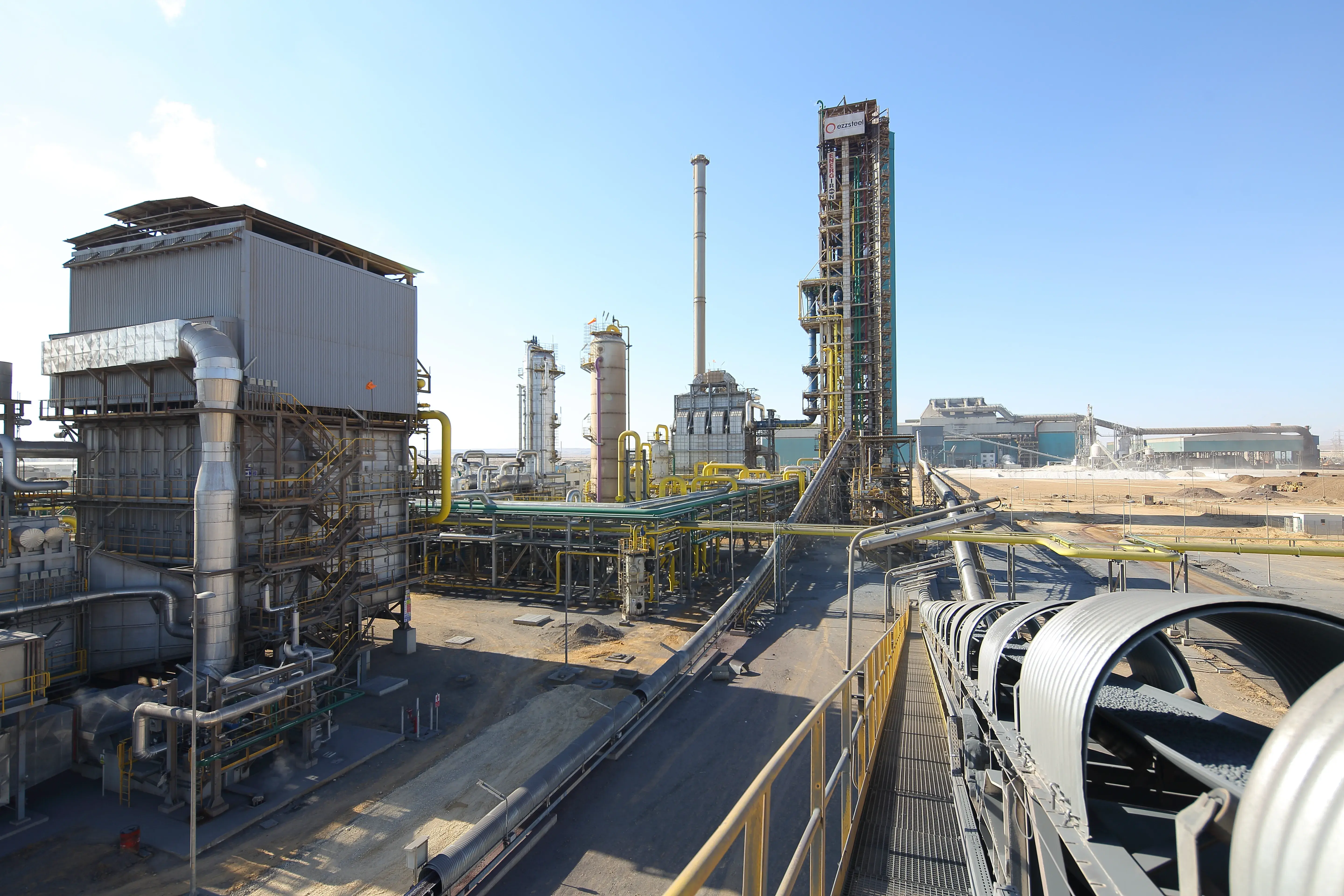
- ENERGIRON Modules from 0.25 to 2.5 Mtpy production capacity
- Adjustable DRI metallization, typically from 93% to 96%
- Adjustable DRI carbon content, typically from 1.5% to 4.5%
- Highest DR efficiency; process: ~93%, overall: ~80%.
- High operating temperature (950°C-1080°C) and operating pressure (≥ 6 bar), provides process conditions for in-situ reforming and High-C DRI.
The continuous development, optimization, and maturity achieved by the ENERGIRON Direct Reduction Process gives the flexibility to offer tailor made solutions for each user. This versatility leads to important advantages for each project related mainly to investment, raw materials/energy utilization, and by-products as the commercialization of CO2.
The main features of the technology ENERGIRON are the following:
- Consolidated process scheme
- Product flexibility (CDRI, HDRI, HBI or Pig Iron)
- Higher product quality
- Possibility of Direct use of hot DRI in the EAF
- Flexibility to process a wide range of iron ores
- R&D and steelmaking support
- Minimum reducing gas requirements
- Lower production cost
- Higher metallic yield
- Lower production cost
- Lower environmental impact
- Use of alternative reducing gases
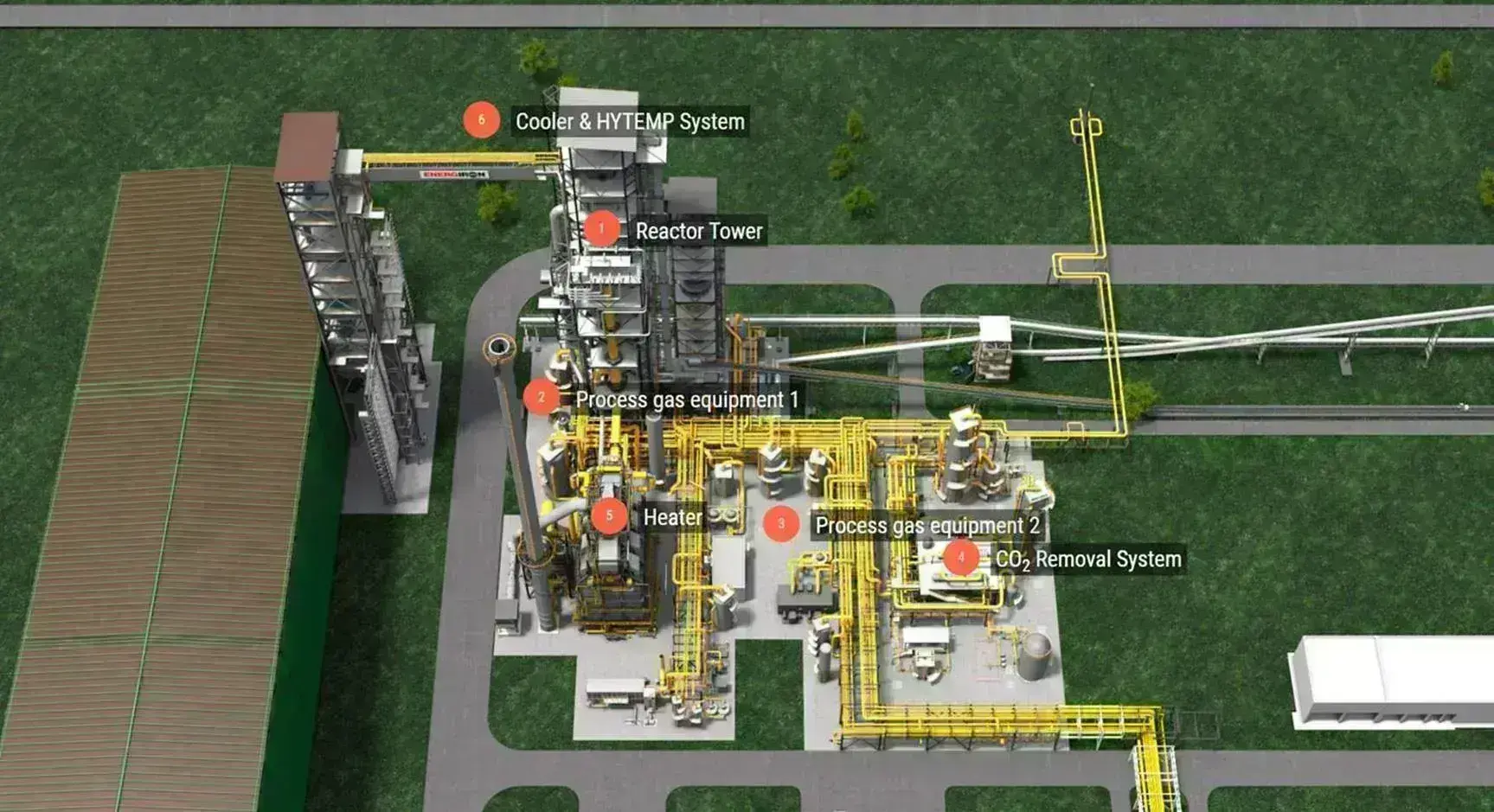
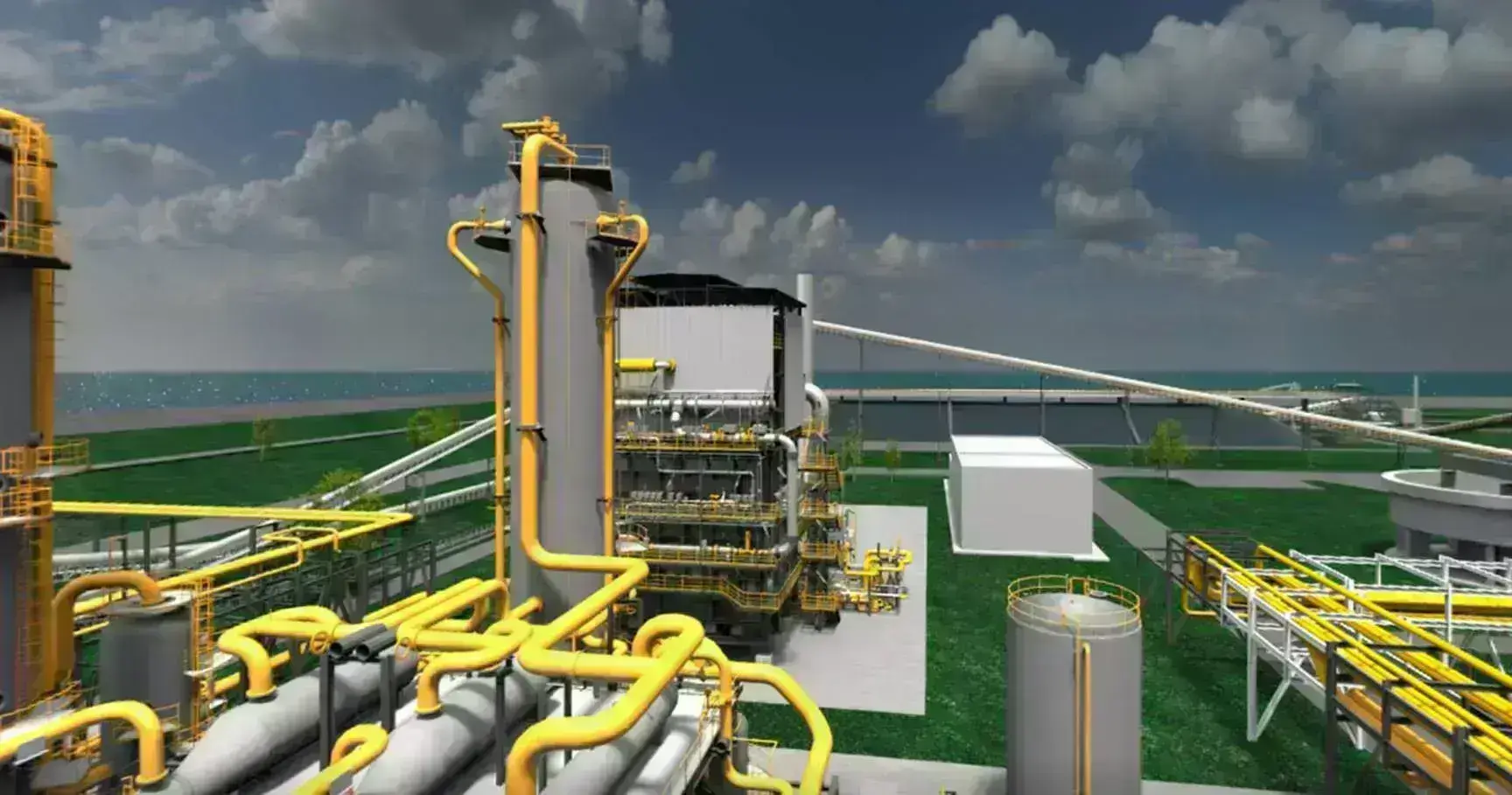
ENERGIRON ZR: The ENERGIRON ZR (Zero Reformer) Process scheme is the latest achievement in improving the efficiency of direct reduction plants while producing higher product quality such as High-C DRI.
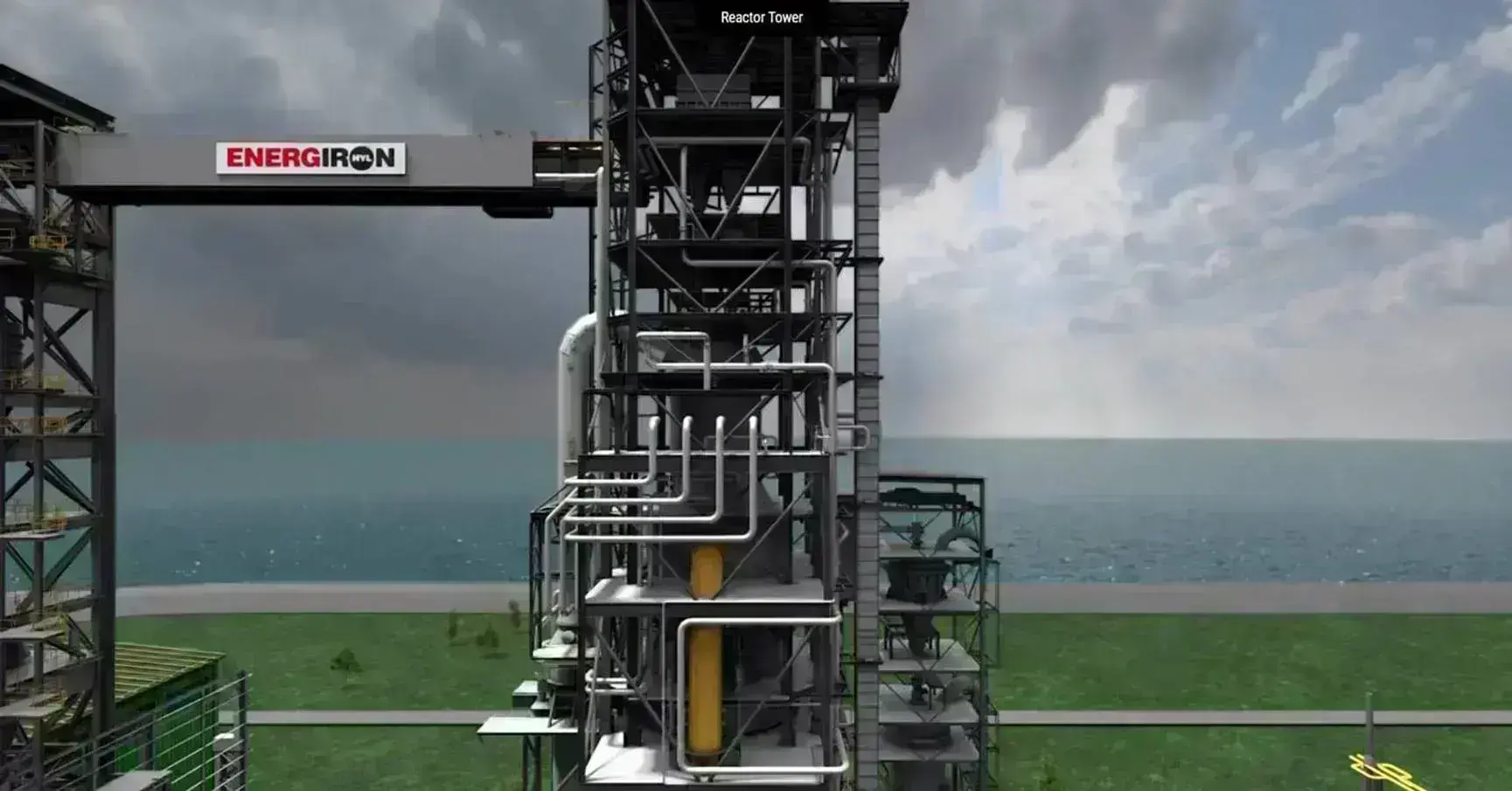
ENERGIRON III: Since 1980, this process is realized by means of an external steam reformer coupled with the typical reduction circuit, including the reactor, in which the reducing gas is circulated in counter current with solid material, that is moving downwards by gravity.
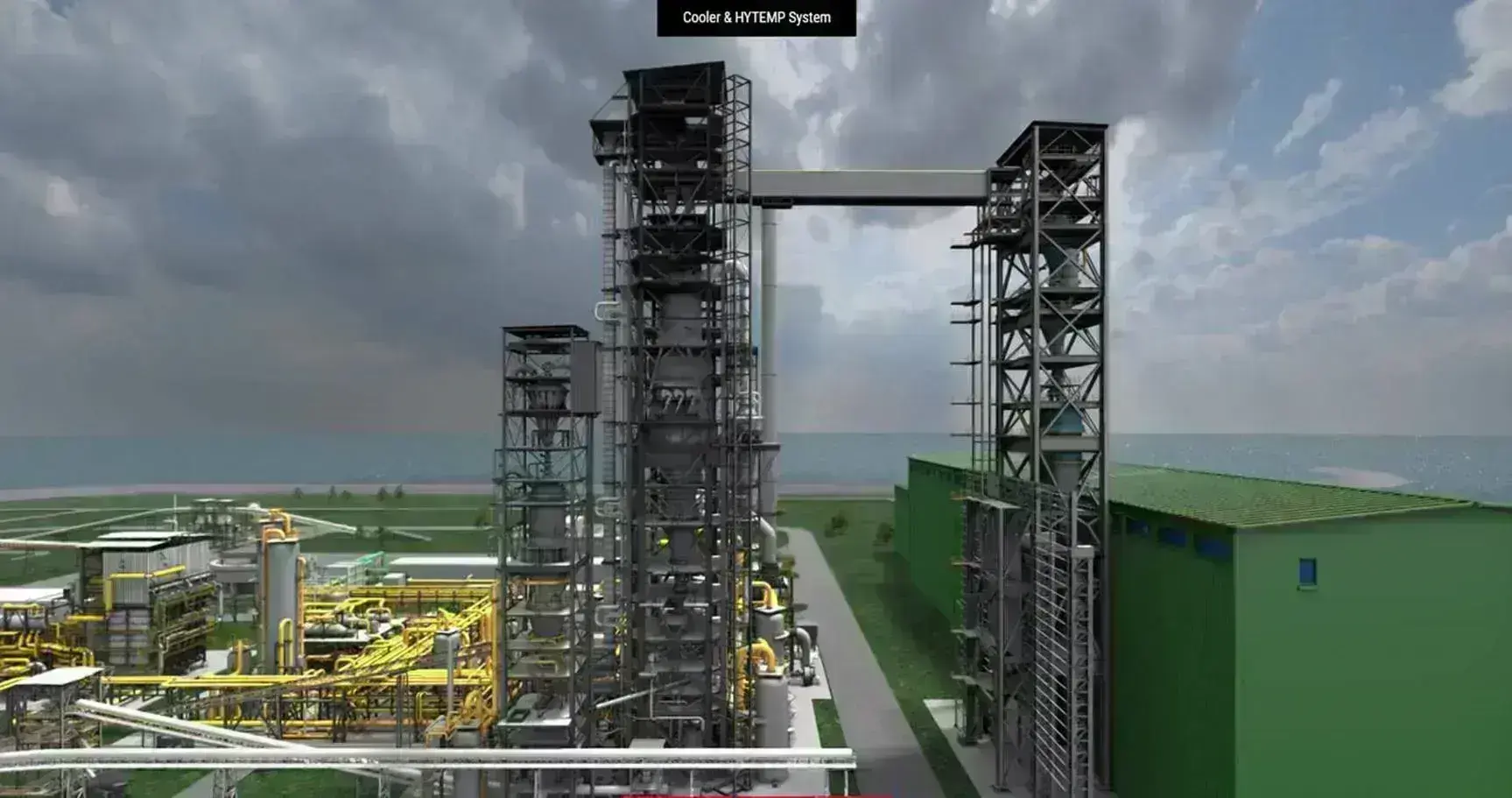
HYTEMP SYSTEM: An additional technology that, on its own provides significant benefits for steelmakers, is the HYTEMP pneumatic transport system for safely sending hot DRI from the reduction reactor to the EAF shop with no losses in quality and in a totally enclosed environment.
Innovation
- Thanks to the Energiron Zero Reformer (ZR) process we offer a simple and most efficient plant scheme for producing higher DRI quality.
- Same process scheme for any reducing gas input.
- Use of NG/H2 in any proportion for CDA and in reversible mode at any time.
- HYTEMP System for direct HDRI feeding to EAF.
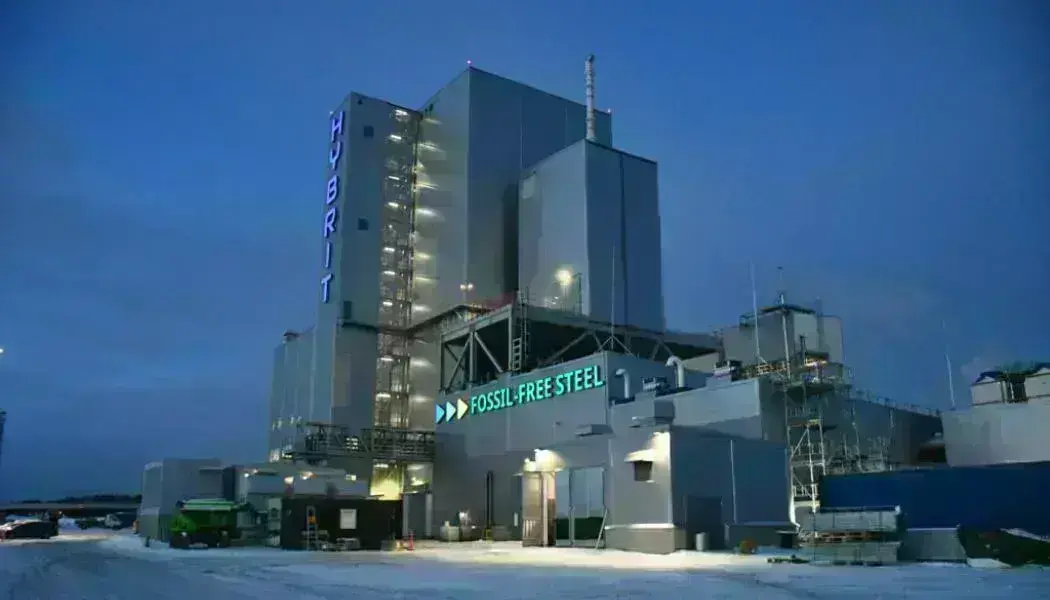
HYDROGEN: Hydrogen can be used as reducing gas for the ENERGIRON plants, without any major modification to the original process scheme. In fact, ENERGIRON plants are typically working with an H2/CO ratio in the range of 3÷5, therefore they are designed since the beginning to work with high H2 content. As a matter of fact, Hydrogen has always been the main reducing agent for this technology. Therefore, ENERGIRON is already maximizing the use of this promising energy vector, which further improves the efficiency of the reducing process. In fact, faster reducing kinetics are achieved by using H2 as primary agent, about 5 times as compared to those based on CO. Moreover, this solution allows also to minimize the CO2 emissions. In fact, the by-product of iron ore reduction by CO is CO2, whilst the by-product of reduction by H2 is water. Finally, thanks to the ENERGIRON technology, it’s now possible to produce high grade steel in an economic and sustainable way.
CO2 REMOVAL SYSTEM: The selective capture of CO2, a by-product of the reduction reactions, is an intrinsic feature of the basic process scheme. As consequence, ENERGIRON is the best-fitted technology to provide CCU (Carbon Capture and Use) and CCS (Carbon Capture and Storage) solutions applied to the steelmaking industry. Add to this the plug and play technology for Hydrogen utilization as reducing agent and the CO2 emissions per ton of steel produced can be decrease by more than 60% with respect to an integrated steel mill.
Safety & Automation

- Personnel safety is one of the design pillars of Energiron DRPs.
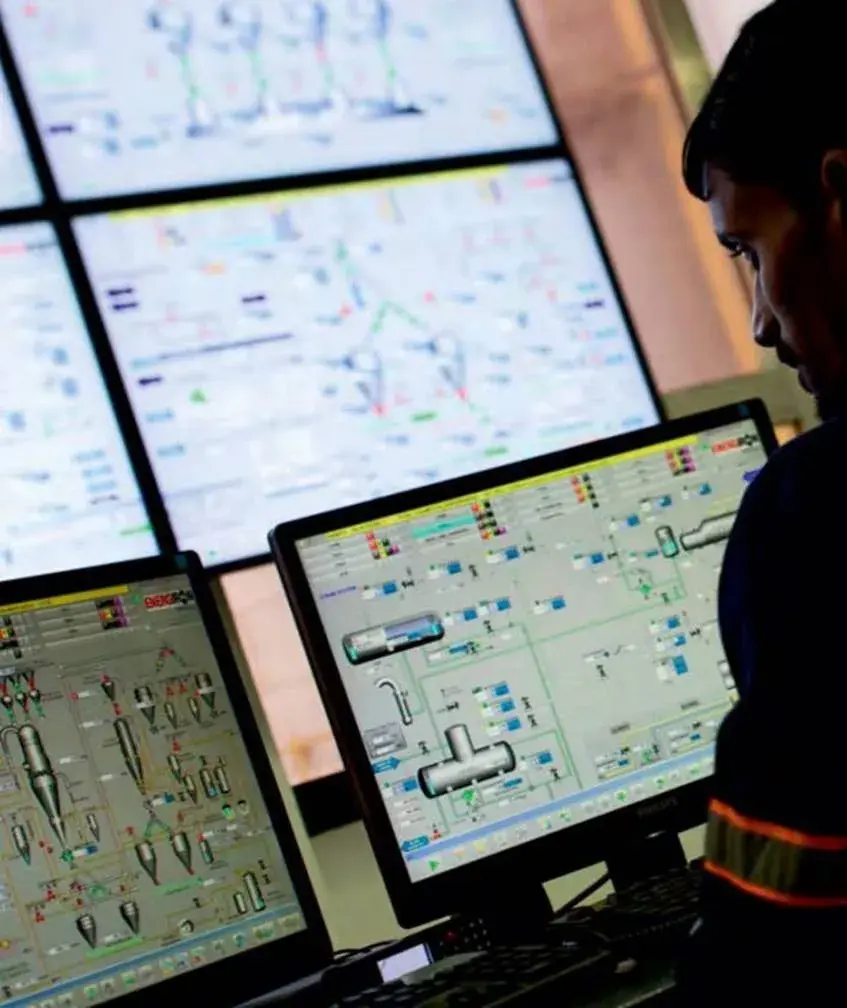
- Energiron DRPs have a centralized DCS that allows for safe and reliable plant operation.
Energiron plants benefit from an advanced L2 production and quality control automation system developed over decades of process know how and research.
The Energiron control system is based on an architecture consisting of a traditional Level 1 system for equipment control with a Distributed Control System, plus a new Level 2, not only for process supervision, data tracking and creation of production reports but also process optimization. A “Process Reconstruction Model” (PRM) has been developed. It uses instrumentation signals coming from the PLC and physical equations in order to provide a full description of the plant status. In this way it is possible to calculate many normally unmeasurable items such as the top gas composition and relevant red/ox ratio.
Another target of this PRM is the Product Quality Prediction; starting from the gas composition measured by the mass spectrometer, we can predict with sufficient lead time (from 6 to 10 hours before the material is discharged) the characteristics of the product, such as metallization, carbon content and DRI temperature. As a consequence the process engineers have a consistent margin in terms of time to adjust the process parameters in order to reach the desired production both in terms of quality and quantity. Further innovative Level 2 functionalities based on the Extended Kalman Filter Estimator and the Linear Quadratic Gaussian Regulator for calculation of the optimal Level 1 set points as a function of the Level 2 requested inputs will drive the future development of the advanced DR Process control.
Environment
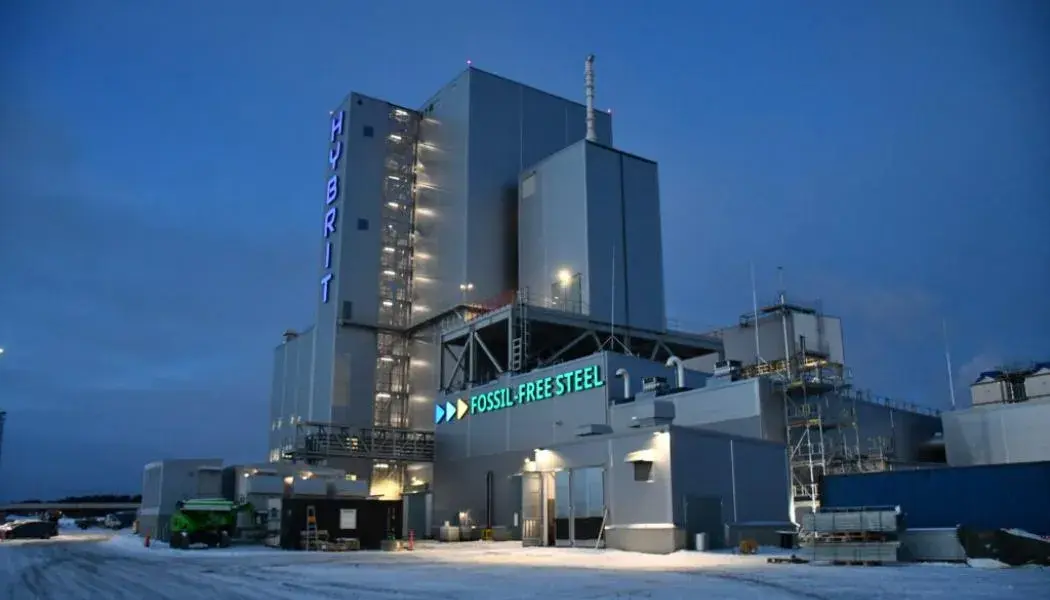
- Selective elimination of CO2 for CCU (≥60% of total C-input).
- Processing iron ore BF grades, including sulphur (eliminated in CO2 removal from top gas).
- Lowest NOx emissions: 0,030 kgNOX / tDRI
- Use of NG or H2 implies that coke/coal is no longer needed as in blast furnace
ENERGIRON Technology is characterized by its unique configuration which is able to satisfy and exceed the current stringent environmental requirements worldwide:
- The gaseous and water effluents of the process are the lowest and also easily controlled
- Incorporation of selective carbon dioxide (CO2) removal systems has been a key factor over the past decade in significantly reducing the emissions levels, providing an additional source of revenue for the plant operator via the captured CO2
- Integration with Blast Furnace, as well as adoption of Hydrogen as reducing gas allow further reduction on global CO2 emissions
With the lowest NOx quantity and the ability to selectively eliminate CO2 as an integral system makes ENERGIRON the most environmentally friendly option.
ENERGIRON is, without question, the cleanest Direct Reduction technology available. Depending on the configuration, an ENERGIRON plant can remove from 60 to 90% of total CO2 emissions, which in other technologies are flared or vented to the atmosphere. ENERGIRON plants offer the unique option of selective recovery of CO2, which can be cleaned and sold as a cash by-product. The CO2 absorption system not only captures the CO2, but also the sulfur, whenever present in the process gasstream, reducing the overall SO2 emission from the plant. Regarding particle emissions from the process, the high operating pressure of the ENERGIRON shaft and its low gas velocities, and thus low fluidization and dragging force, results in less fines carry-over by top gas (<1% losses in top gas). This low loss of iron ore fines from the reduction process means higher yield and less particle emission, as fines normally have to be cleaned from the recycle gas stream.
ENERGIRON technology fully complies with the strictest environmental regulations basically without using any additional equipment or systems in the process.
HYDROGEN: Hydrogen can be used as reducing gas for the ENERGIRON plants, without any major modification to the original process scheme.
CO2 REMOVAL SYSTEM: The selective capture of CO2, a by-product of the reduction reactions, is an intrinsic feature of the basic ENERGIRON process scheme.
Digital
Energiron DRPs are prepared for real-time precise process/operation monitoring and optimization.
Related Solutions